
Coconut oil cake is the solid residue left after oil is pressed from roasted copra in an expeller. Though it is a by-product, it has real nutritional and commercial value, and nothing in our process goes to waste. We supply it in bulk to cattle feed buyers and to coconut oil solvent extractors.


At a glance
| What it is | The pressed residue of roasted copra after oil extraction |
| Main nutrients | Dietary fibre and about 20 percent plant protein |
| Residual oil | About 12 percent, which adds to its energy value |
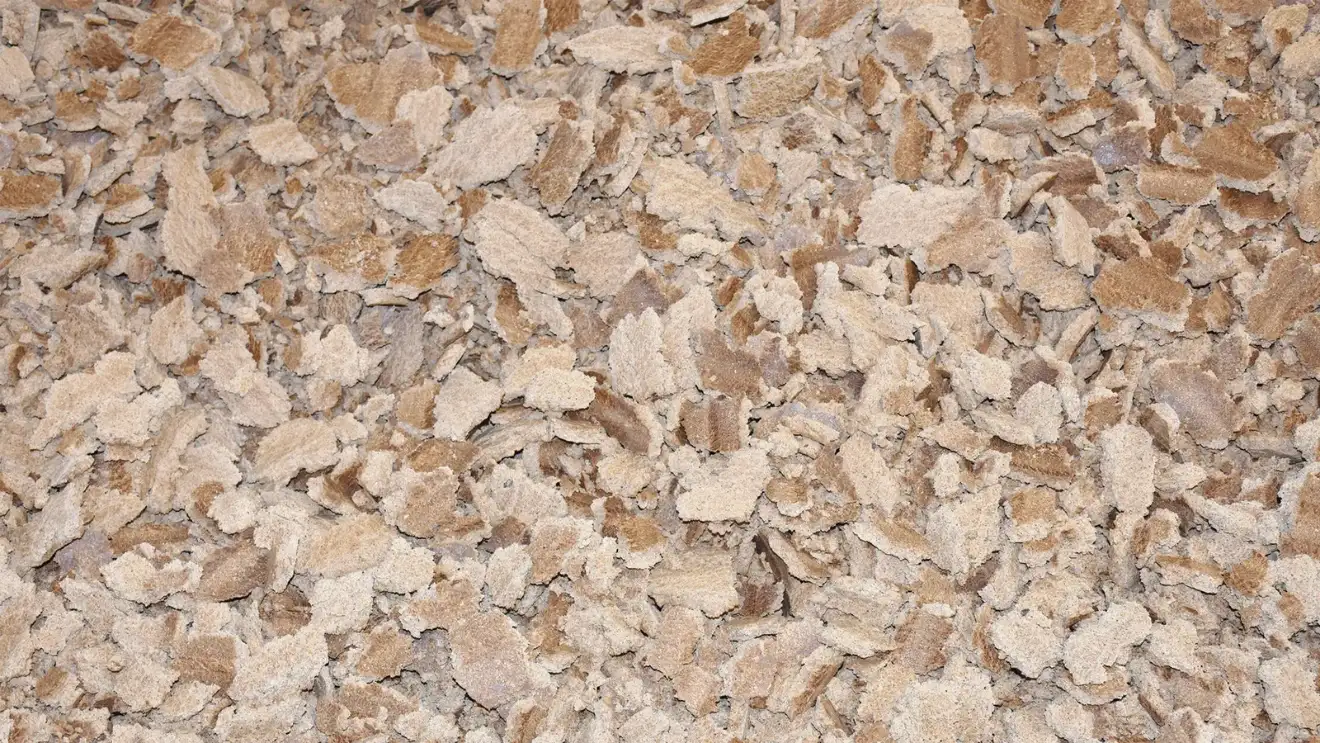
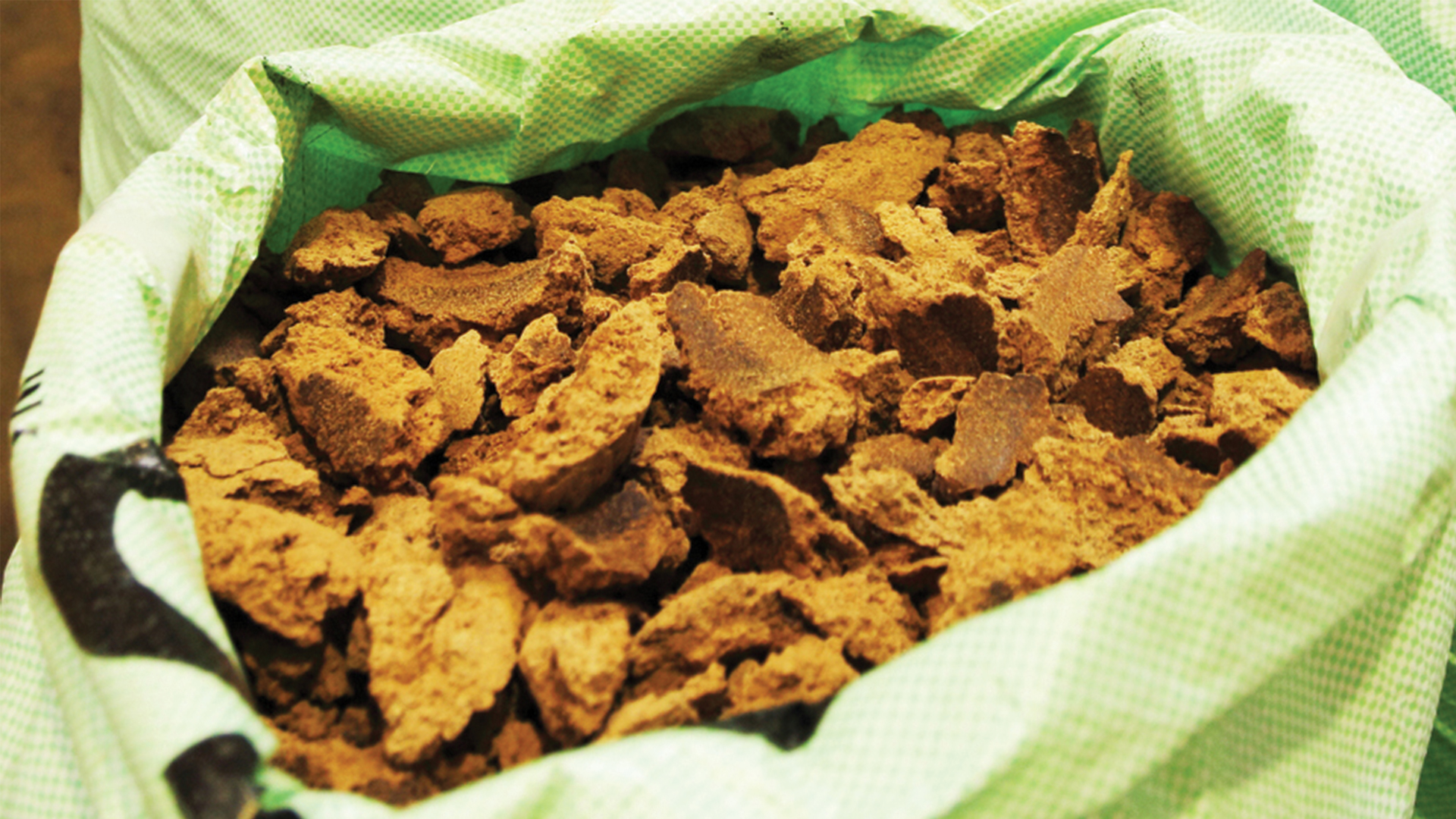
| Colour and aroma | Reddish brown, with a roasted coconut smell |
| Packing | 40 kg plastic bags |
| Who buys it | Cattle feed buyers and coconut oil solvent extractors |
About the cake
What is in it · fibre, protein and a little oil
The main component of the cake is dietary fibre, which cattle need for healthy digestion. It also holds about 20 percent plant protein, so it is a useful source of nutrition for livestock.
About 12 percent oil is left in the cake after pressing, because a mechanical expeller cannot economically take out more. This residual oil adds to the energy value of the cake as feed.
The copra is roasted before pressing, so the cake is reddish brown and has a distinct roasted coconut smell, which makes it attractive to cattle. It is roasted, not burnt or charred.
How it is made · from the expeller to the bag
The cake is a natural part of oil making. When roasted copra is crushed in the expeller, the oil runs to the tank for filtering and the pressed cake comes out separately. The cake goes for a second crushing to recover more oil, and is then cooled and packed.
Cooling before packing keeps the cake dry and stable. Because it is relatively dry, it resists spoilage and suits bulk storage and transport.
Who uses it · feed and extraction
Cattle feed
Coconut oil cake is widely fed to dairy cattle and other livestock as a source of protein, fibre and energy, usually blended with other feed ingredients. Dairy farmers and cattle feed makers are our main buyers.
Coconut oil solvent extractors
Solvent extraction plants buy the cake to recover the oil still left in it. The oil they recover is mainly used for industrial purposes, and the de-oiled meal can be sold on as feed.
Other uses
Cake is also fed in small proportions to goats and poultry, though its high fibre limits how much non-ruminants can take. It can also be composted into organic manure, and some farmers use it to feed fish in ponds.
Packing, storage and supply · handling the cake
- The cake is packed in 40 kg plastic bags.
- Store the bags in a cool, dry, well-ventilated place, away from walls and off the floor. Damp cake can grow mould.
- Use the cake within a reasonable time, because the residual oil can go rancid with age.
- Feed ratios depend on the animal, so please follow the advice of your feed nutritionist or veterinarian.
Want to check the cake before ordering in bulk? Buy a 1 kg sample pack online. For availability and supply details, please call or message us on WhatsApp at 88611 32886, or email info@cocoguru.com.