
5 common myths about roasted coconut oil

Roasted coconut oil is surrounded by myths — about nutrition, colour, use, aroma and shelf life. Here are the five we hear most often, and the facts behind them.
Facts about coconut oil: the types, colour, shelf life and how our oil is made.
Roasted coconut oil is surrounded by myths — about nutrition, colour, use, aroma and shelf life. Here are the five we hear most often, and the facts behind them.

Wood pressed oil is better than refined oil, but is it better than expeller pressed oil? Here is how the methods compare, and why we think the higher price is not worth it.
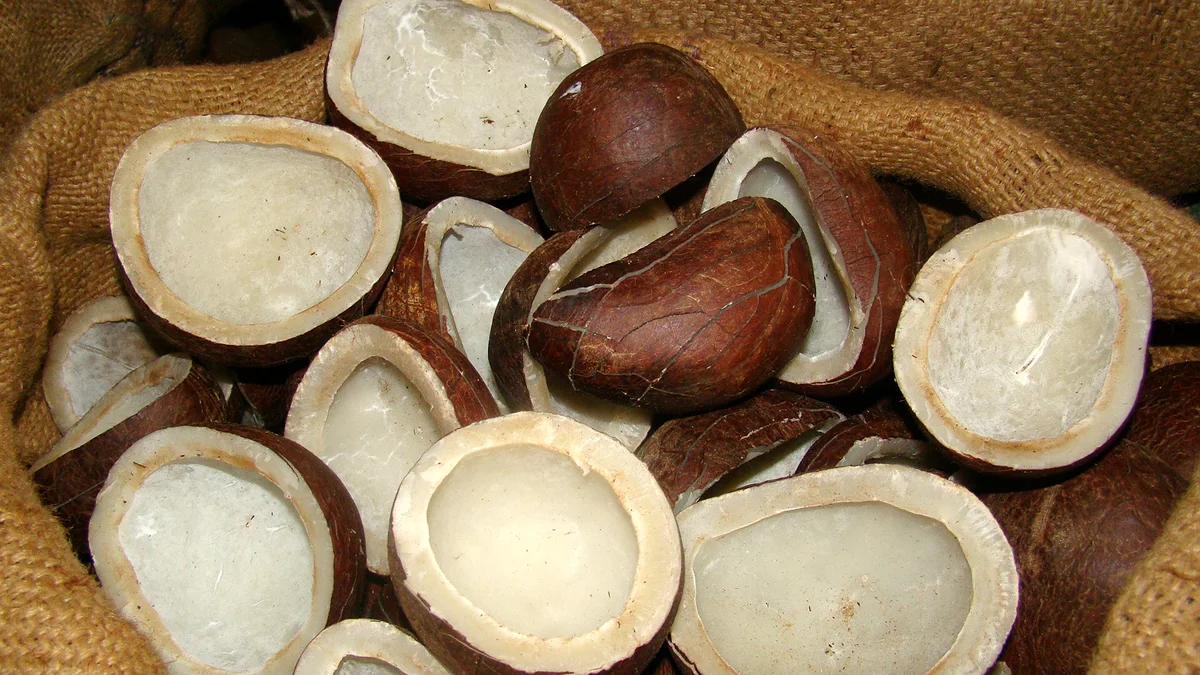
Our coconut oil keeps longer than most, with no preservatives. The reason is eight careful steps, from choosing the copra to managing stock in shops.
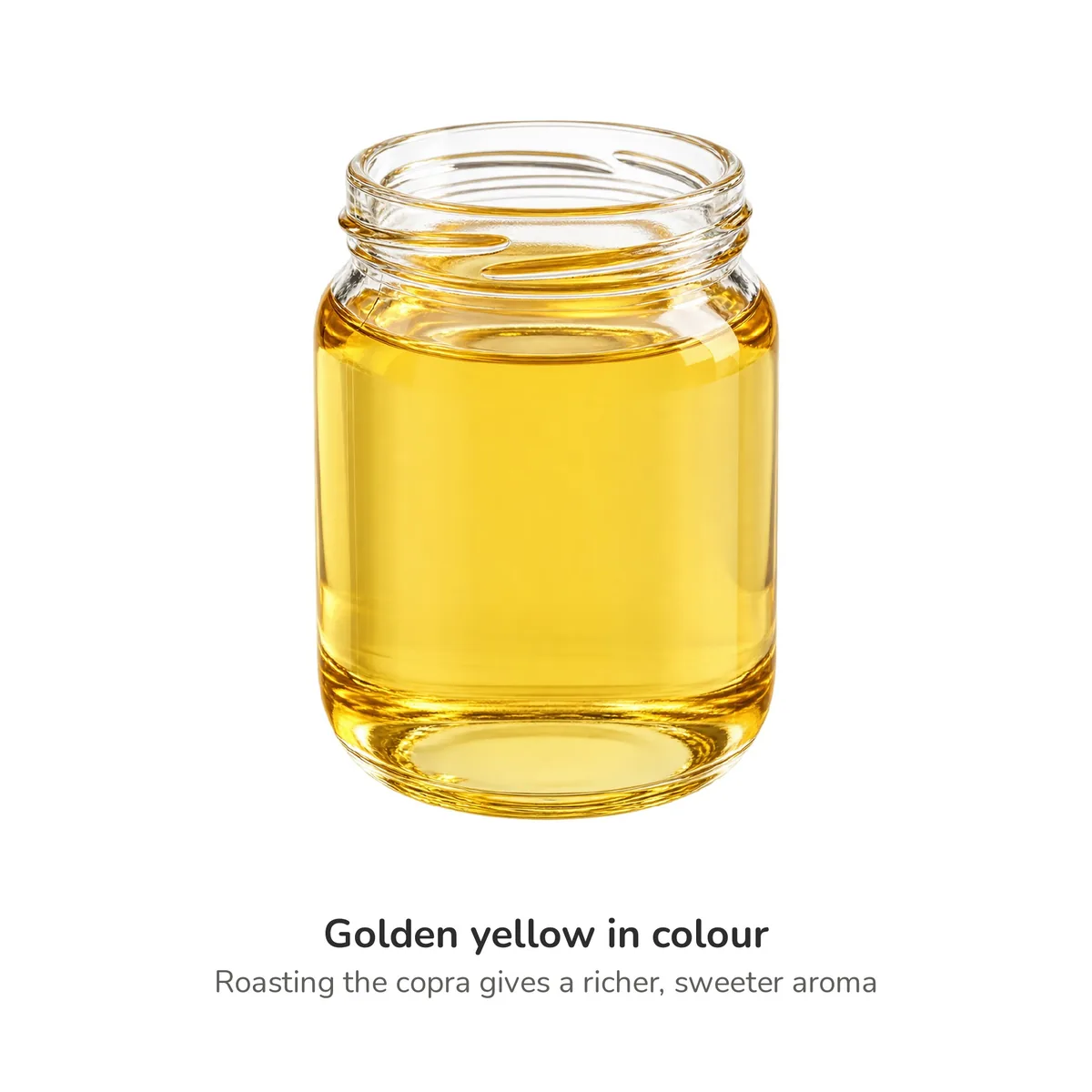
Our Roasted coconut oil is yellow in colour, not white, and some people take that as a sign it is impure. Here is why the colour comes from how we make the oil, not from poor raw material.
Many people say coconut oil helps you lose weight. Here is the case as I understood it in 2016, and what later research found.
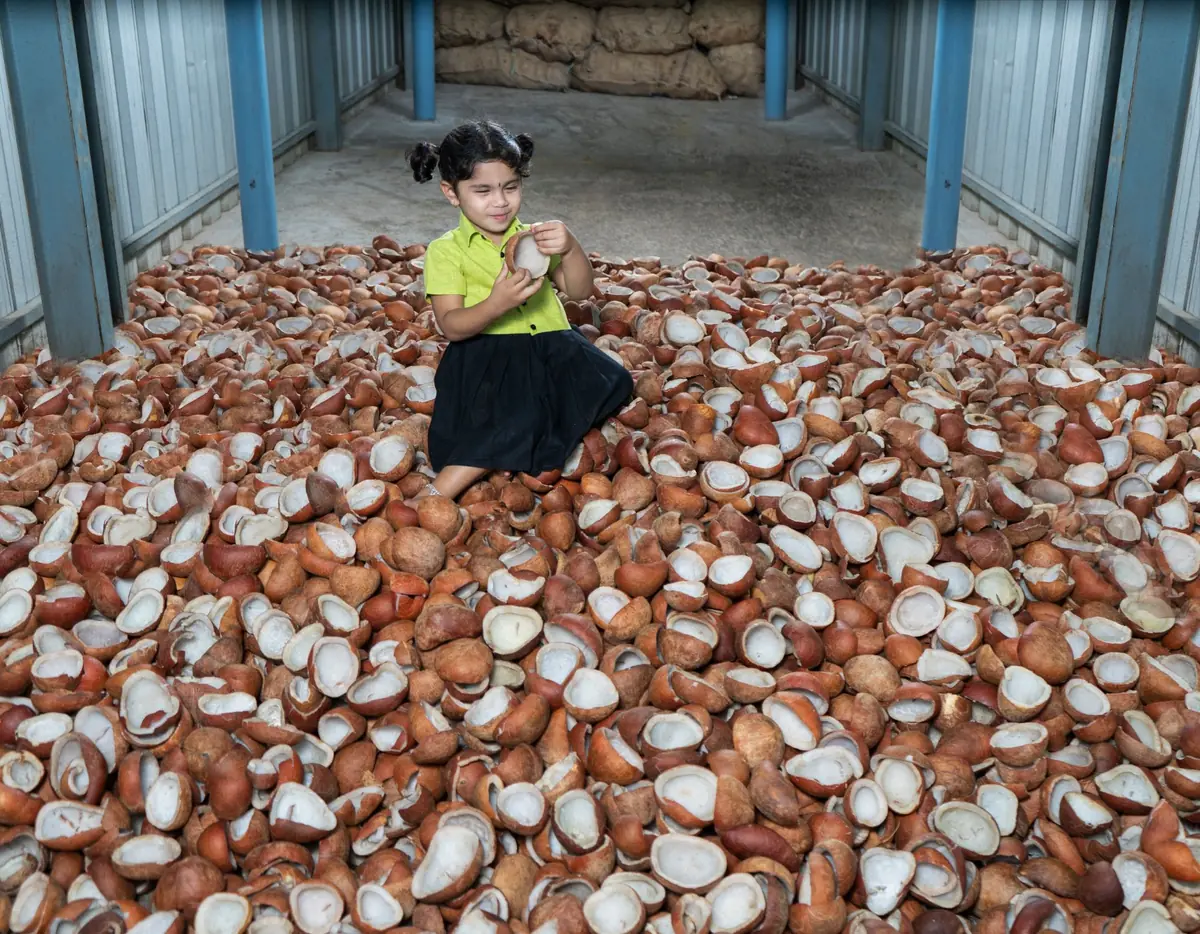
Coconut oil has been part of my life since childhood — on my hair, my hands, in my mouth and on my plate. These are my own stories of how I use it, and why I love it.
Roasted and cold pressed coconut oil come from the same dried coconut, but they are made differently, and they look, smell and taste different. Here is how each is made, and why both are pure coconut oil.
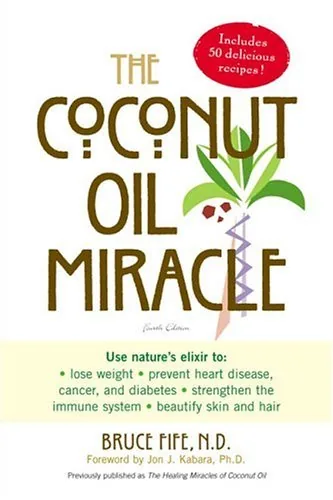
A 2010 review of Bruce Fife’s book on coconut oil: what it argues, and why it delighted and angered me.
Most people know only one coconut oil brand: Parachute. Soon after we launched Cocoguru, I set out how the two differ — in purpose, process, raw material and price.