
Our coconut oil keeps longer than most, with no preservatives. The reason is eight careful steps, from choosing the copra to managing stock in shops.
I was in Kalasa, Chikkamagaluru, looking for new business in the region. At the well-known Varamahalakshmi Coffee Works, the owner asked me: “How is it that your coconut oil lasts so much longer than others?”
It was a welcome question. He was genuinely curious and listened closely — which retailers, busy as they are, seldom have time to do. Here is what I told him.
1. How the copra is made
Copra — the dried coconut kernel that oil is pressed from — is made in two ways.
Fresh copra. Fresh coconuts are split in half and sun-dried straight away. This is common in coastal Karnataka, Tamil Nadu, and Kerala in summer. Because the coconuts are fresh, there is very little deterioration.
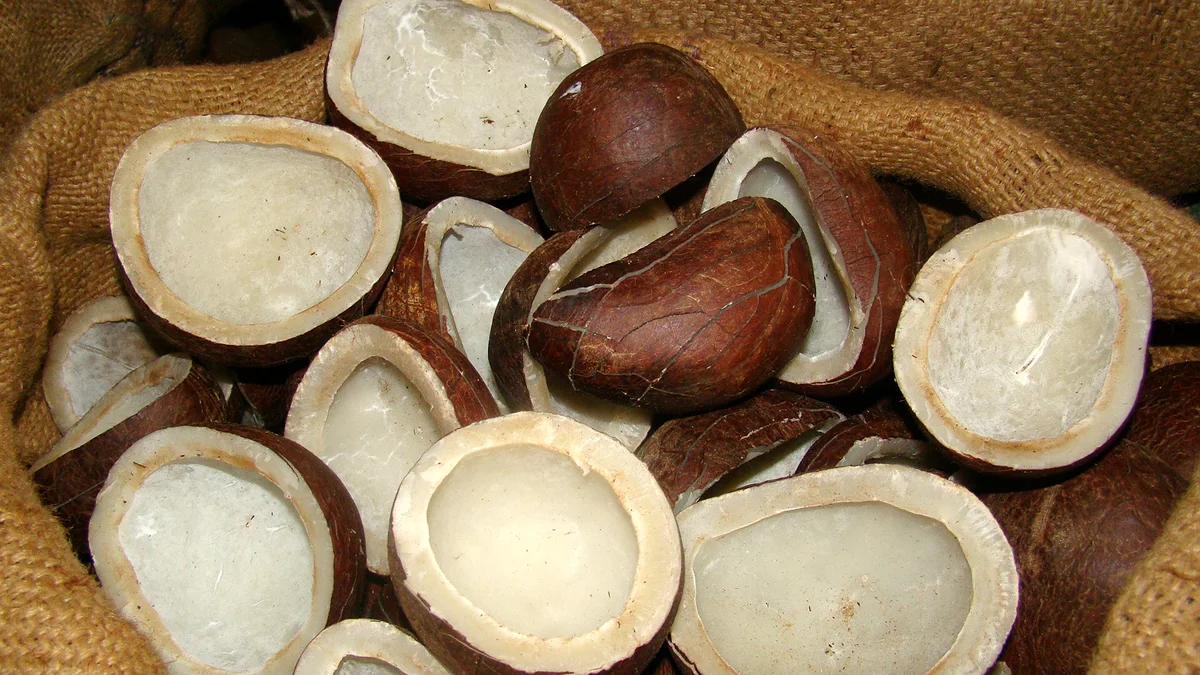
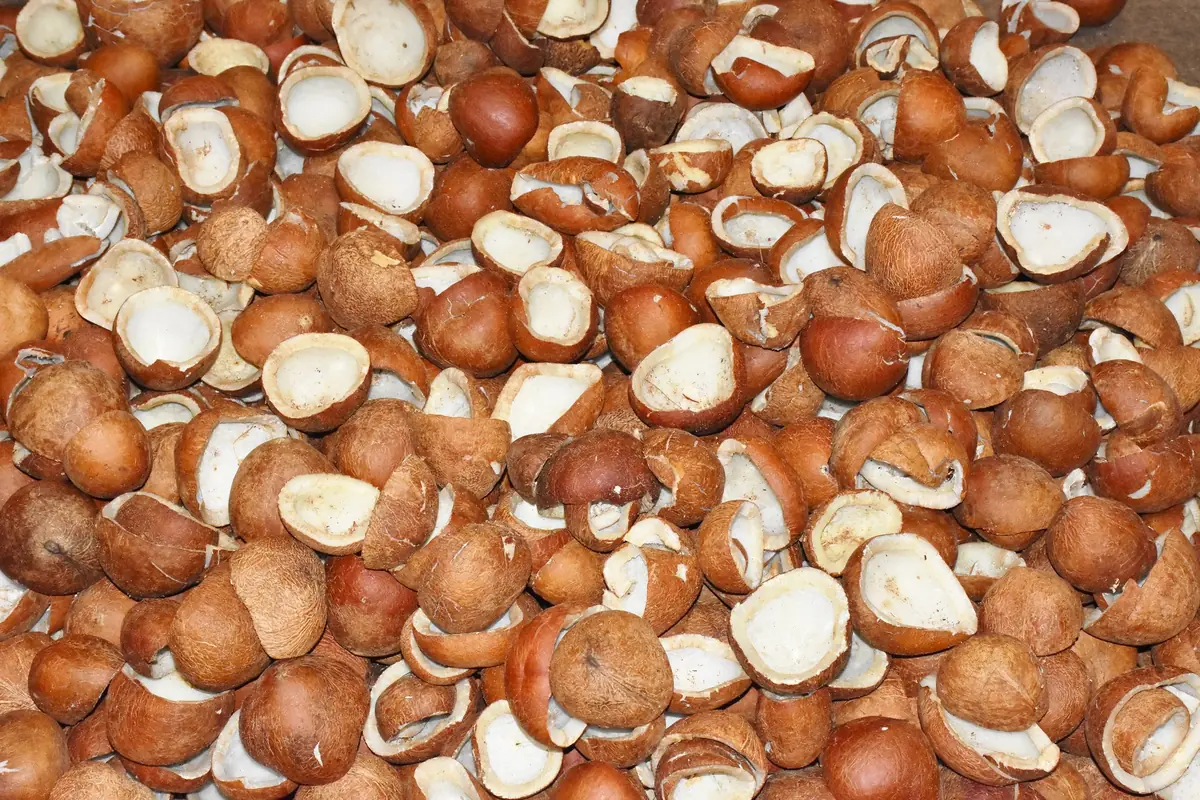
Ball copra. Whole coconuts, in shell and husk, are stored in lofts for months while the water inside dries out. After about six months, the kernel comes loose from the shell as a ball. This ball copra, known as Tiptur edible copra, is mainly eaten as it is; balls that fail on size or shape go for oil. Being old, this copra has usually deteriorated somewhat.


Cocoguru uses only fresh copra, sun-dried from fresh coconuts.
2. Sorting the copra
Only good copra is chosen, sorted by hand; poor copra is rejected. However good the process, good oil can only come from good copra.

3. Drying the copra
Moisture is the main cause of rancidity in cooking oil. Before pressing, we dry the copra with hot air at 80°C, down to 2.5% moisture.
4. Roasting the copra
For our Roasted oil, the copra is then roasted. This removes still more moisture and sterilises the copra, so the oil keeps longer and is safer.


5. Pressing in an expeller
The dried copra, at about 2.5% moisture, is crushed in an expeller, and the oil is filtered straight away in a filter press.

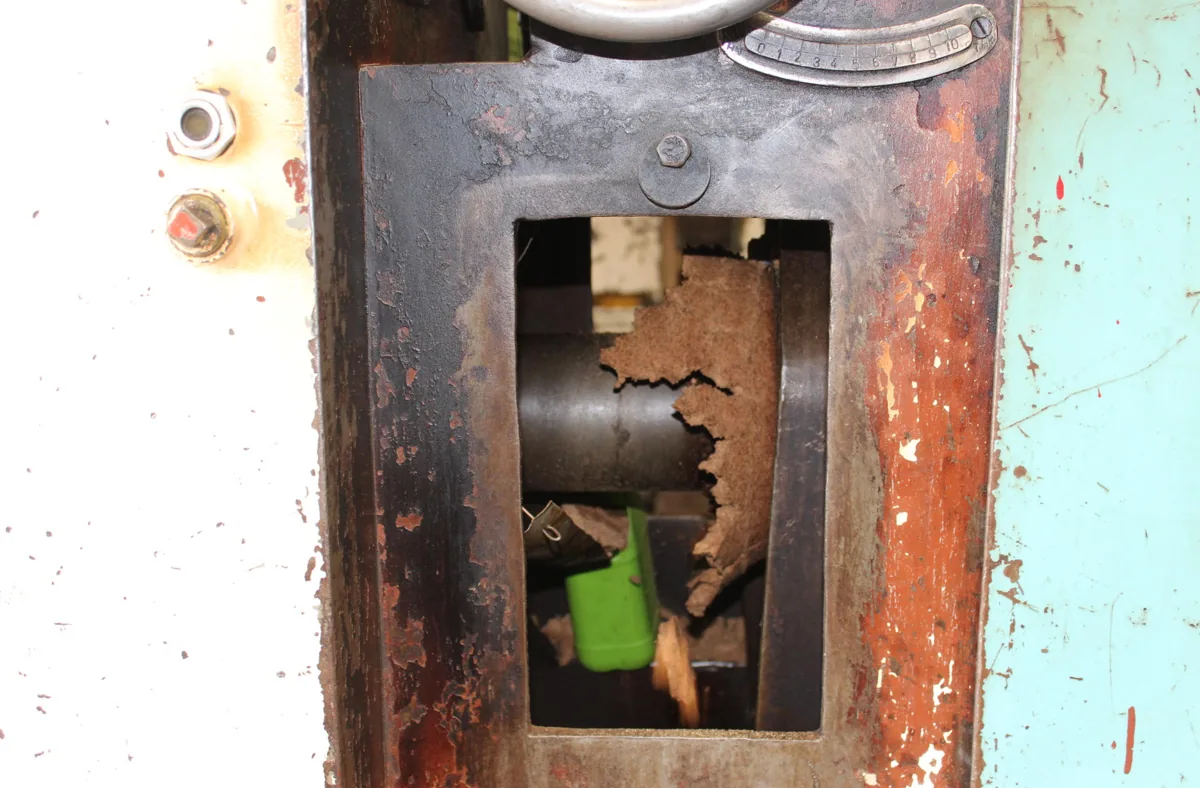
Many people believe oil from a traditional rotary mill or wood press is more natural and better because it looks clearer or whiter. But because that copra still holds moisture, the oil is best used soon, it goes rancid sooner, and less oil is extracted. Expeller oil from properly dried copra lasts longer, and Roasted oil is also safe, aromatic and tasty — while keeping its natural properties.
6. Fine filtering
Thorough filtering removes solid particles and the last moisture, so the oil looks better and keeps longer. We filter our oil twice.


7. Tight packing
Good packing protects the oil, makes it easier to use, and helps it keep longer. How long depends on the pack:
| Pack | Cold Pressed | Roasted |
|---|---|---|
| PET bottle | 6 months | 6 months |
| Pouch | 6 months | 9 months |
| Jerry can (HDPE) | 12 months | 12 months |
8. Managing stock
We watch stock levels at every stage — at the factory, with distributors and in shops — so customers always get fresh oil.
No preservatives, just care
A long shelf life does not come from chemicals or preservatives. It comes from care at every step of making and selling the oil. Many makers stop caring once their oil reaches the wholesaler; we keep caring until it reaches your kitchen.