
I started Cocoguru Adigemane, a Mangalorean-style vegetarian restaurant at Nehru Nagar, Puttur, on 15 January 2023. A little over two years later, it will close at the end of 27 January 2025. It is painful to shut a business after putting heart and soul, capital, physical and mental energy, and time into it. I am announcing this officially so that rumours do not spread. Just as I announced its opening, I feel responsible for announcing its closure.

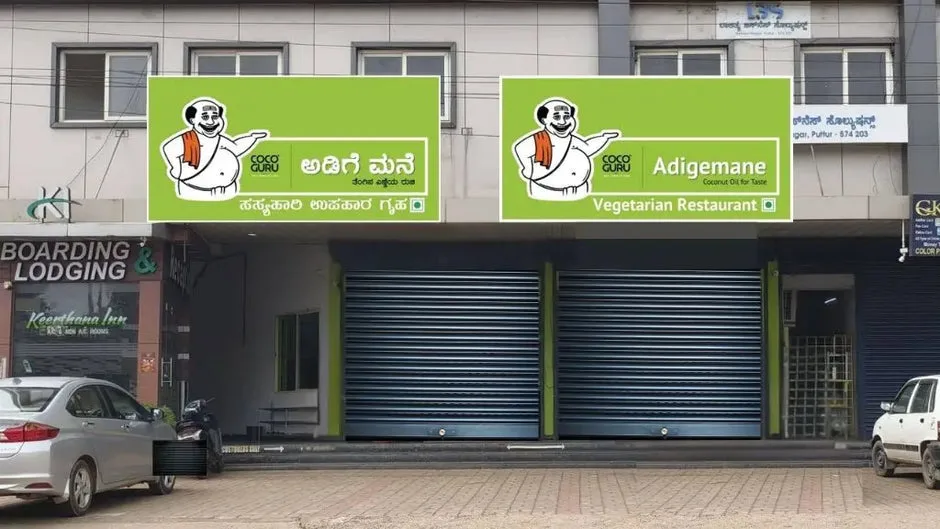
Success and failure take equal space in me as an entrepreneur. I feel no shame in accepting defeat in pursuit of a lofty goal. After giving everything I could, I am accepting failure. Tears roll down my face as I write this. I feel low, helpless and devastated. The heart wants to continue, but the head has decided to close.
Why close now?
I take full responsibility. I am not blaming anyone else; the outcomes came from my choices. These are the main reasons.
The money
Financial loss
The business has run at a loss for two years. We bore the losses, hoping for a turnaround. Last season looked promising, with profits in April and May, but it did not last. My coconut oil business also made losses for its first six years; the difference is that I stuck with it then, and I am giving up on the restaurant now.
A big need for capital
Copra and coconut oil prices have risen by 70% in two years, and our working capital needs shot up. Two years ago we were debt-free; now we carry debt from the restaurant investment, its operating losses and the rise in raw material costs.
Employee cost
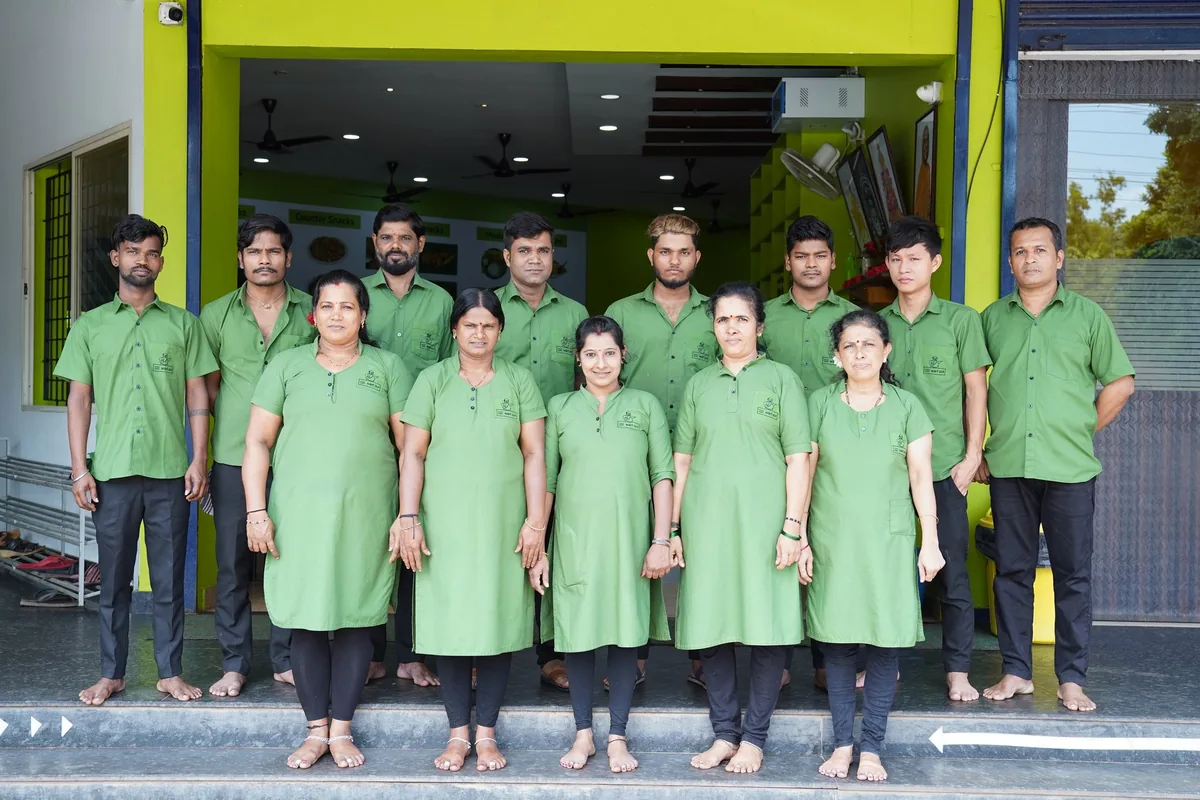
The building was not designed as a restaurant. Because it could not be rented out, the owner had decided to run one there. The awkward layout needed extra hands. We did not divide the work well, and roles stayed rigid. We ended up with 28 employees costing ₹4.5 lakh a month, far too high to sustain.
Inventory and waste
Our use of ingredients and gas stayed the same as in May, even when sales fell by nearly half. Ingredient costs should move with sales. We struggled to track waste of raw material and cooked food. Measuring was new to our kitchen team, and we never managed to make it a habit. With over 300 dishes across cuisines, far from the short menu we began with, waste and complexity grew out of control.
The building and location
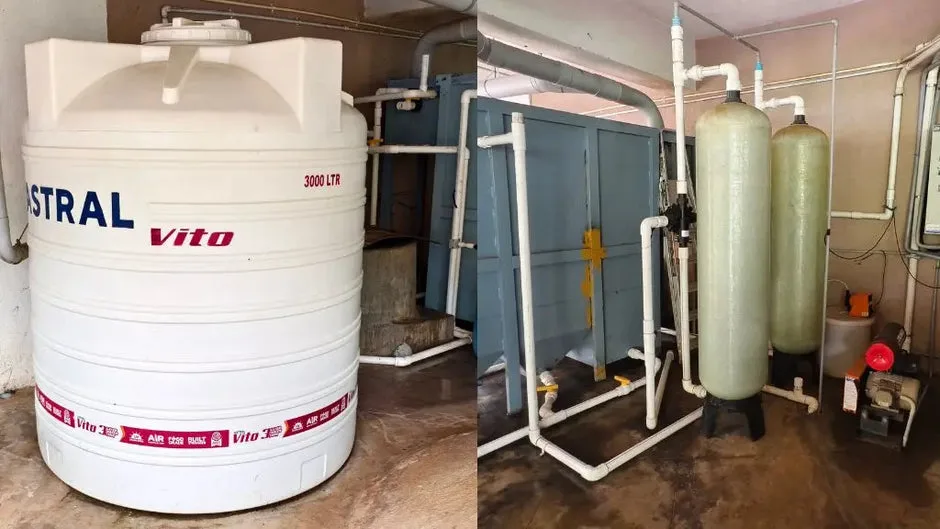
Sewage discharge
It took a year to get the treatment plant working well, and for the last year it ran smoothly. Then the only safe outlet for the treated water was closed off, and with no public drain in the layout, we were left without a solution.
Ambience did not match a premium offer
We kept high standards of hygiene and used good, freshly prepared ingredients, which made our food dearer, so our prices were slightly above other local restaurants. But a premium offer also needs premium ambience. We had taken over a setup built for the masses, and it did not give guests the premium feel they expected.
Locals or tourists
I meant to serve locals, but our location on the highway, 3 km from town, suited tourists better. Tourists were willing to pay more and enjoyed local dishes. Locals, who are price-conscious and already eat such food at home, did not see enough value in dining with us.
What we offered
Trying to give everything to everybody
We began with traditional Mangalorean dishes but, on advice, added North Indian, Chinese, chaat, juices and more. This diluted our core, raised costs and complexity, and we never had enough diners to cover it.
What customers wanted
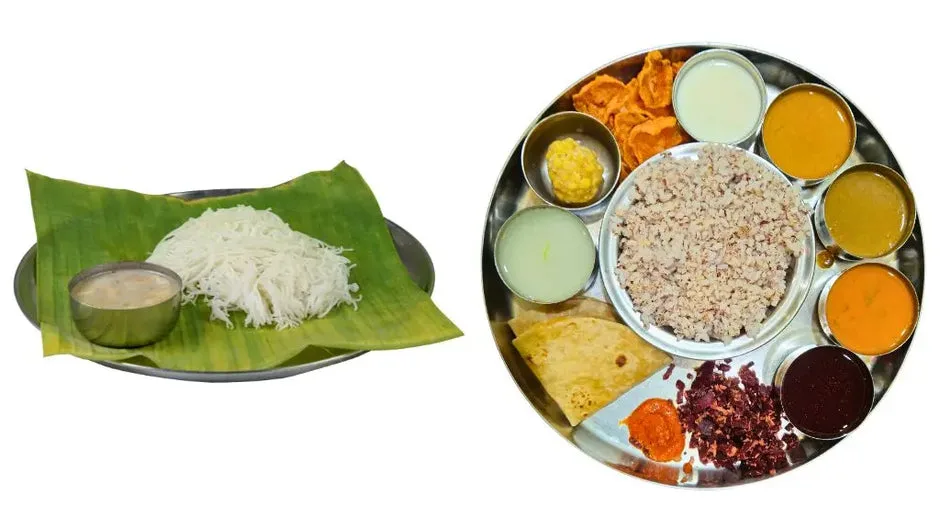
We focused on quality, hygiene and freshly prepared, healthy food. But most customers wanted stronger flavours and lower prices, and that mismatch limited our customer base. People often said we were expensive and not worth it. Dishes like tambuli, kosambari and many local delicacies went unsold and were wasted.
Cutting back on advertising
We advertised moderately but steadily, through hoardings, social media and local papers. To cut costs, I slowed it down, and that hurt us badly. Eating out is often an impulse, and a new brand must keep advertising to stay in people’s minds.
Catering
Catering could have supported the restaurant, but orders did not come on their own. A few large attempts, such as with Vivekananda College, did not go well. Without strong marketing, it could not carry us.
A big competitor
A major restaurant, Shree Mahesh Prasad, opened 500 metres away in September, and our sales fell by about 20%, or ₹3 lakh a month. Keeping 80% of our business against such an established name was an achievement in itself, but it added to our struggles.
Doing things by the book
I take compliance seriously, but standing alone is hard when it is not the norm.
- We paid PF and ESI, so take-home pay looked lower than at places paying in cash, and staff were harder to keep.
- Restaurant bills carry 5% GST with no credit for tax paid on inputs, so the real tax cost is higher, and including it fully in our prices made us look dearer.
- Plastic straws are banned, so we used sterilised steel straws, yet some customers doubted they were clean.
- We packed parcels in food-grade reusable containers, but charging for them made us look expensive.
Me and my team
The oil business needed me
The coconut oil business was stable but stagnant, and, out of ideas, I entered the restaurant trade. Now I realise our weak link is sales and marketing, and I need to lead a major restructuring myself. Running two very different businesses without a strong second line of leaders pulled me apart, and I sank.
How restaurant work is seen
Some of our oil mill team helped at the restaurant willingly. But factory and office work is widely seen as more respectable than restaurant or sales work, and not everyone was comfortable with it.
Personal challenges
My wife supported me throughout, but the stress took a toll on our mental health. With our children in 1st and 2nd standard needing attention, balancing family with two demanding businesses became too hard, especially now that I am 15 years older than when I began my first venture.
Will I open a restaurant again?
A restaurant is a great business: low capital, high value addition and direct contact with customers. A respected doctor, one of our customers, once told me that a restaurant with good sales and low waste will always make a profit. I do not hate this business, nor do I think it impossible. I simply did not understand it well enough, did not prepare properly, and made wrong choices. For now, I lack the resources to turn it around. But with these lessons, I will certainly open one again in a couple of years.
What about the employees?
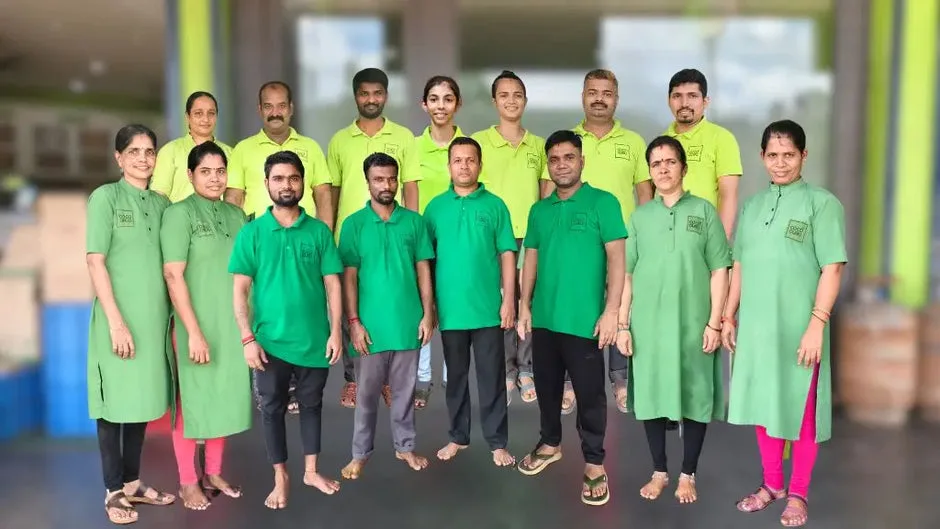
Half the team has been with us throughout and stayed loyal. We will help them find places in nearby restaurants and help them claim their PF. We gave 15 days’ notice of the closure, and when we start again, we may call many of them back.
What we learnt
- Fortunes can change quickly. From being debt-free, I now carry heavy debt, so building wealth outside the business matters.
- We focus a lot on physical health, but mental health, sleep, concentration and a positive outlook matter just as much.
- The idea of packed fried snacks came while running the restaurant. It has grown into a business of its own that can scale like coconut oil.
- Food posts on social media drew far more attention than coconut oil posts. They made the brand more visible, and tourists who dined with us became repeat coconut oil customers.
- When you are not an expert, consultants can be expensive, but their guidance is invaluable.
- Trying to balance two ventures taught me the value of focus and execution.
- Have a vision and stick to it, even when the market pulls you elsewhere.
- Hire capable managers before hiring large numbers of workers.
- Start small. I began with a modest investment, but expenses were too high, and that pressure led to wrong decisions.
What now?
I will focus on selling and marketing coconut oil, and have committed to spending 100 days a year in the market myself. I will make time for fitness, discipline, learning and family. Alongside, I will quietly work on the next restaurant concept.
Thank you to everyone who supported me through this difficult time. Cheers.