
Cocoguru Adigemane was founded by my wife, Suprabha K Bonanthaya, and me. Friends often ask how I moved from coconut oil to running a restaurant; it seems unusual for someone like me. Although I built the Cocoguru oil business from scratch, many see it as an extension of our family’s oil business. Here is how Adigemane began. Put simply, I wanted a restaurant where people like me would love to eat. Since it opened, I have eaten there every day, and not cooked at home.
How my eating changed
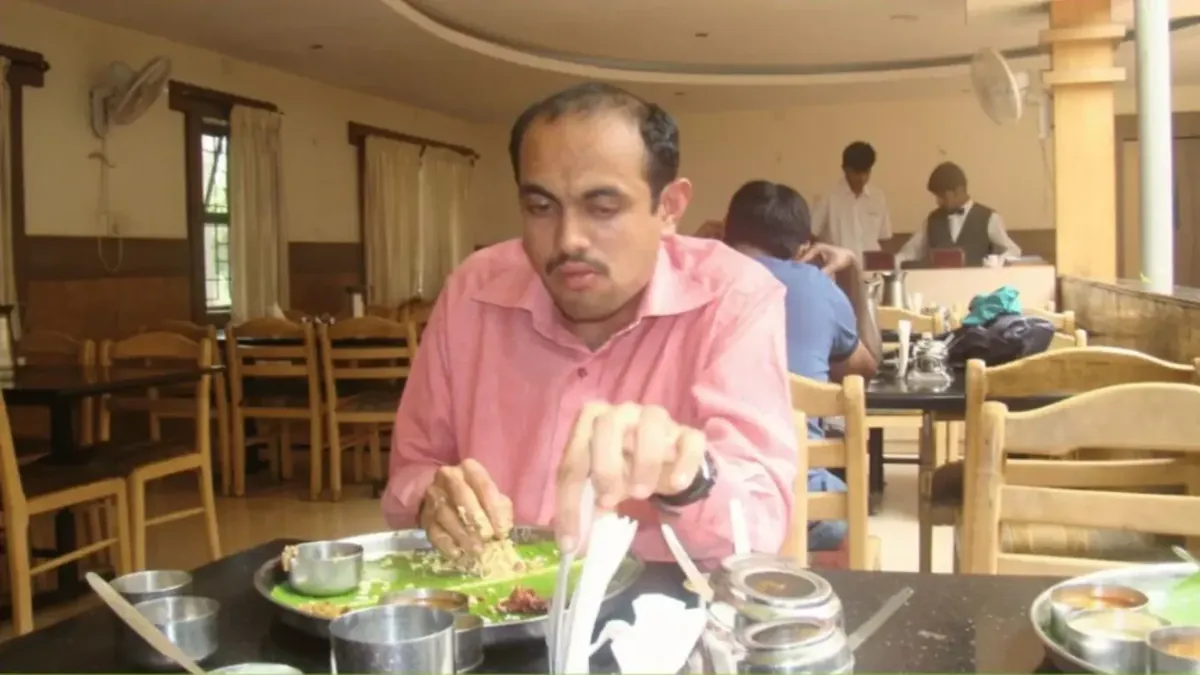
Until about 25, I cared only about taste. I loved North Indian food, chaat, bakery items, Chinese food and packaged snacks: the spicier or sweeter, the better. My mother and my teachers warned me about preservatives and artificial flavours, and I used to tease my relatives for carrying home-cooked food on journeys. Why bother, when restaurants are everywhere? At Tata Elxsi I enjoyed a subsidised lunch, yet I noticed our CEO eating plain curd rice and my manager bringing food from home. Surely they could afford better, I thought.
Later, my body stopped tolerating such food. Once I started the oil business I had to study nutrition, and learnt how food is made tasty artificially, and the problems with refined oils, hydrogenated fats, maida and sugar. I read nutritionists such as Rujuta Diwekar, and listened to Dr B M Hegde, who championed traditional oils: coconut on our coast, groundnut in the Deccan and mustard in the north. Working in Japan, I found fresh food that tasted good with little salt or spice, and began to enjoy the natural taste of vegetables. Back home, at family dinners in North Indian restaurants, I would eat beforehand and order just a plain dosa or chapati.
What I could not find
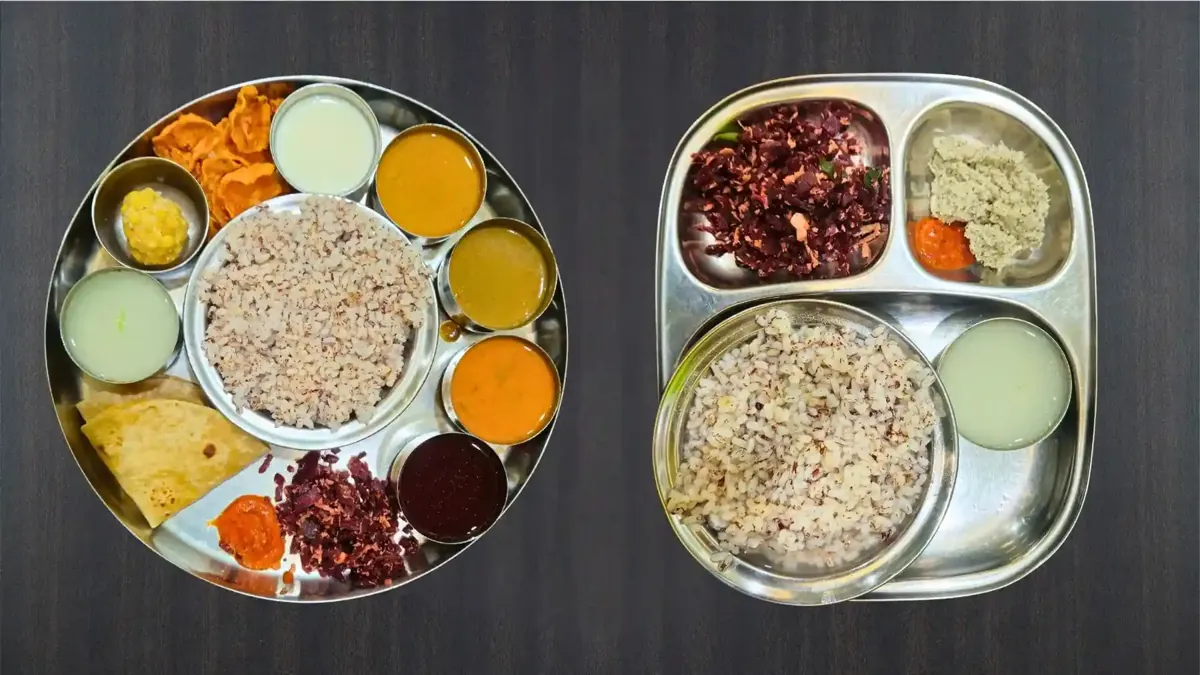
I wanted simple, homely, clean food cooked in coconut oil, and I rarely found it. Most restaurants cook in refined oils because they are cheap and neutral in taste; Udupi was one of the few places I found still using coconut oil. At home I enjoy poori, podi and chips fried in coconut oil, but outside I avoid fried food, as I cannot bear the smell of refined oils. My mother often pointed out how unclean small eateries were, while the cleaner ones were expensive. And on sales trips I could enjoy local food in Andhra, Kerala and Tamil Nadu, while Mangalorean food was hard to find even on our own coast.
With most women now working outside the home as well, I also wanted families to have a homely meal out, so that no one has to cook after a long day. From these gaps grew the vision for Adigemane.
Why a restaurant suits me
- A local brand. People trust Cocoguru for pure, quality oil and pay a premium for it. With the same values (quality, hygiene, purity, ethics and honesty) we can build a local food brand too. We once saw Cocoguru as a brand of coconut products; now we see it as a local food brand.
- Direct to the consumer. When managing a sales team became exhausting, I moved the oil business towards bulk sales to other businesses. That turned us into commodity traders, and it was a mistake: my strength is building a brand. A restaurant reaches the customer directly, with no retailer in between.
- More value added. Edible oil is high in value but low in margin; we raised ours through packing, branding and distribution. A restaurant adds far more value, turning raw ingredients into a meal and an experience.
- Time for a new challenge. We built the oil business with no prior experience, learning accounts, sales, pricing, distribution and purchase step by step. It took six years to make a profit; losses wiped out our equity, and for a while debt was our only funding. We turned profitable and repaid nearly all of it. Today the team is steady, processes are set, quality is consistent and no big investment is needed. Sales is the one area left to grow, and the business runs without me day to day.
The people behind it
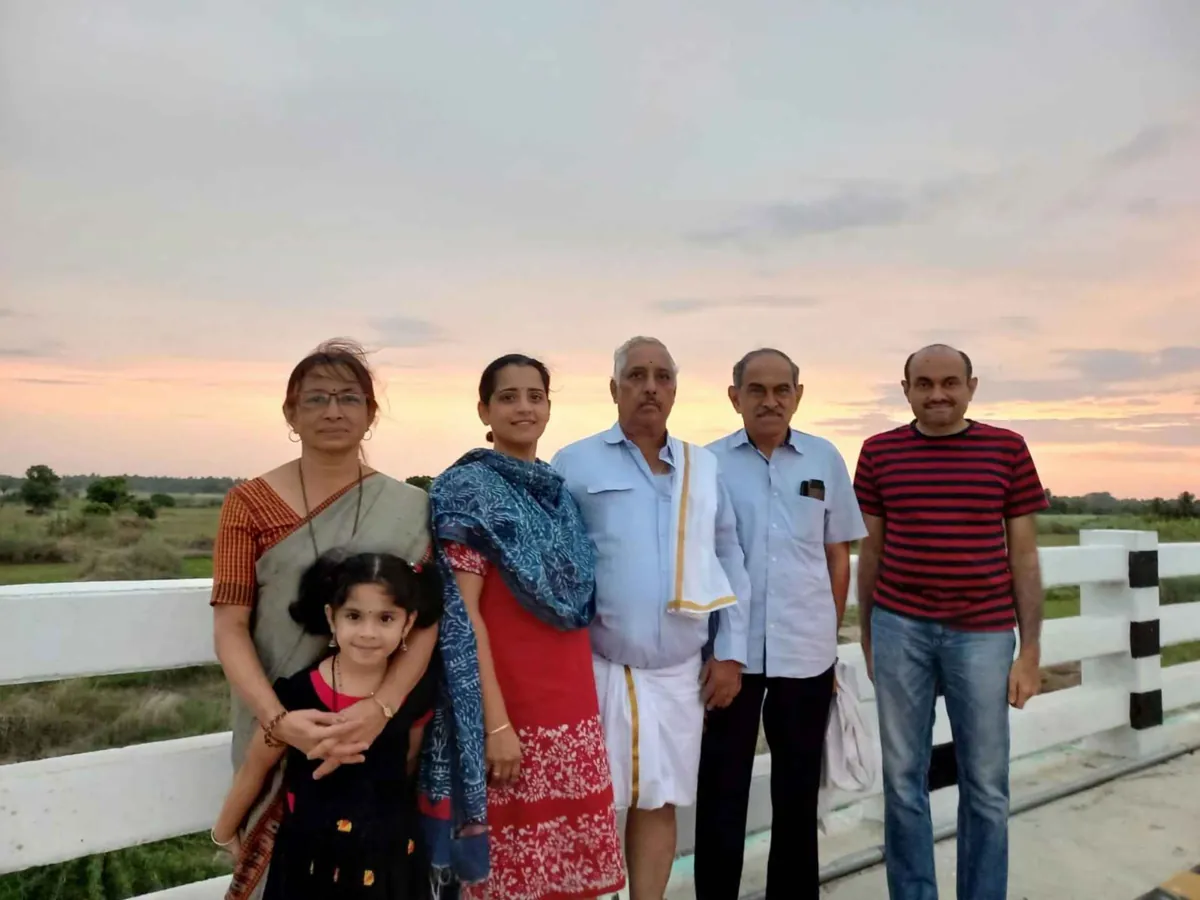
- Suprabha worked at Cocoguru until our first child, Kshipra, was born in 2017, followed by Kshiteesha in 2018. With the oil business running smoothly without her, she is taking on this new challenge. She feels out of touch with her profession and a little hesitant, but believes she can contribute a great deal.
- Our children are used to plenty of attention. I spend evenings teaching them chess, science, nature and stories from mythology; Suprabha looks after their food, school, drawing, clay modelling, swimming and values. For six months to a year, until the restaurant settles, they will get less of our time.
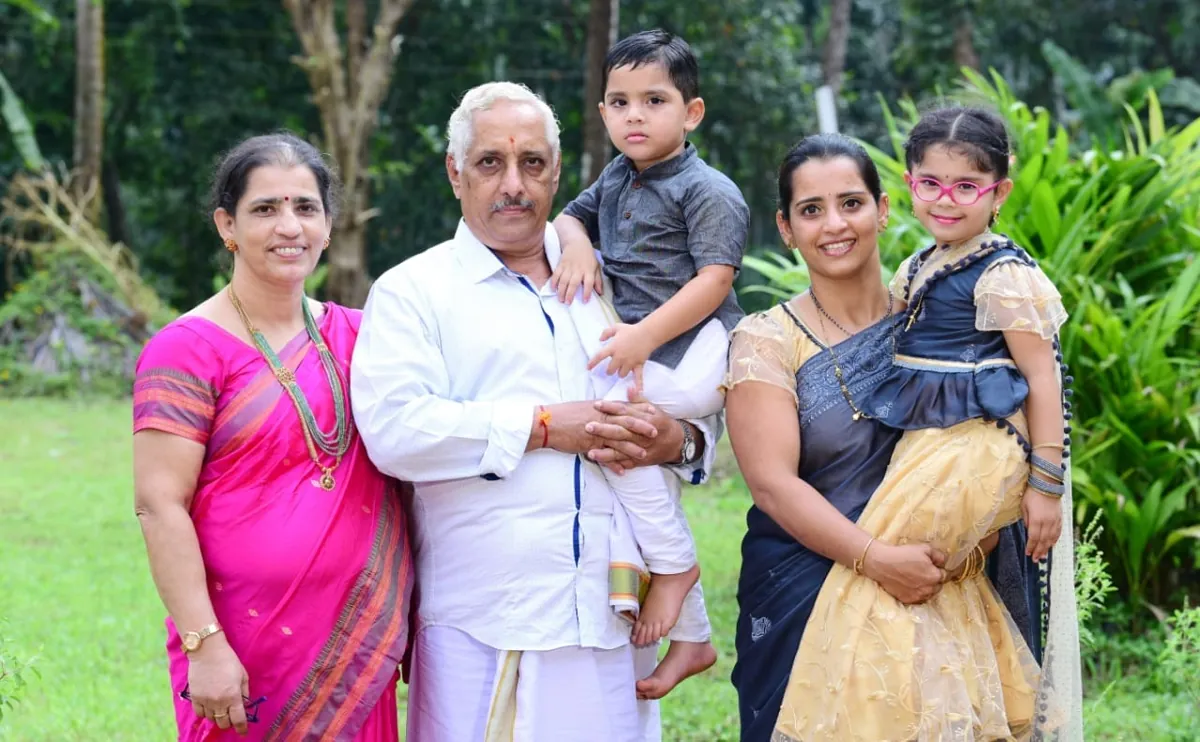
- My parents strongly opposed the idea at first but, knowing how stubborn I am, came round and now support us. My mother helps with the children. Kshipra adores her Ajji, whom she calls Chaatha or Abbe, and Kshiteesha loves gardening with her, digging the soil and pulling up vegetables.
- Suprabha’s parents have stood by us in good times and hard ones. They married their daughter to a then-unestablished businessman, which says much about their faith in us. They help with the children at weekends.
- Our oil mill team knows its work, needs little supervision, and happily helps at the restaurant when needed. A self-reliant team costs more, but it lets me build something new without the oil business suffering.