

Updated October 2026: I wrote this in 2015. Adulteration has not gone away; see “Looking back in 2026” at the end.
Adulteration in coconut oil is common. From what I have seen in the market, here is how it is done — and the simple lab tests that catch it.
Kerala’s Food Safety Department has just banned nine brands of coconut oil: Kera Plus, Green Kerala, Kerala A-One, Kera Super, Kera Drops, Blaze, Pulari, Coco Sudham and Kallada Priyam. The ban was announced on Wednesday, 8 April, as Asianet News and others reported.
After three and a half years in the coconut oil business, this does not surprise me. Adulteration is widespread. Here is what I have seen.
What I have seen in the market
- Adulteration is not limited to small, unknown brands. In my experience, some well-known local brands have won market share by pleasing traders with low prices rather than giving consumers pure oil — and others have followed them, even in malpractice.
- Brands that only repack oil are more likely to be adulterated than brands that make their own.
- Some brands sell oil that looks and is priced like coconut oil, but never say clearly whether it is pure coconut oil.
- KLF, a leading coconut oil maker, has launched a blend of coconut oil and sunflower oil to compete on price with adulterated oils.
- Some Kerala millers sell coconut oil for less while buying copra at higher prices from coastal Karnataka traders. How can that add up?
- Consumers are losing faith in coconut oil — not because the oil is bad, but because what reaches them is adulterated. The industry is devaluing its own product.
- Honest millers suffer, because traders judge brands only on price. A forum has even been started in Kerala to protect coconut oil’s good name.
How coconut oil is adulterated
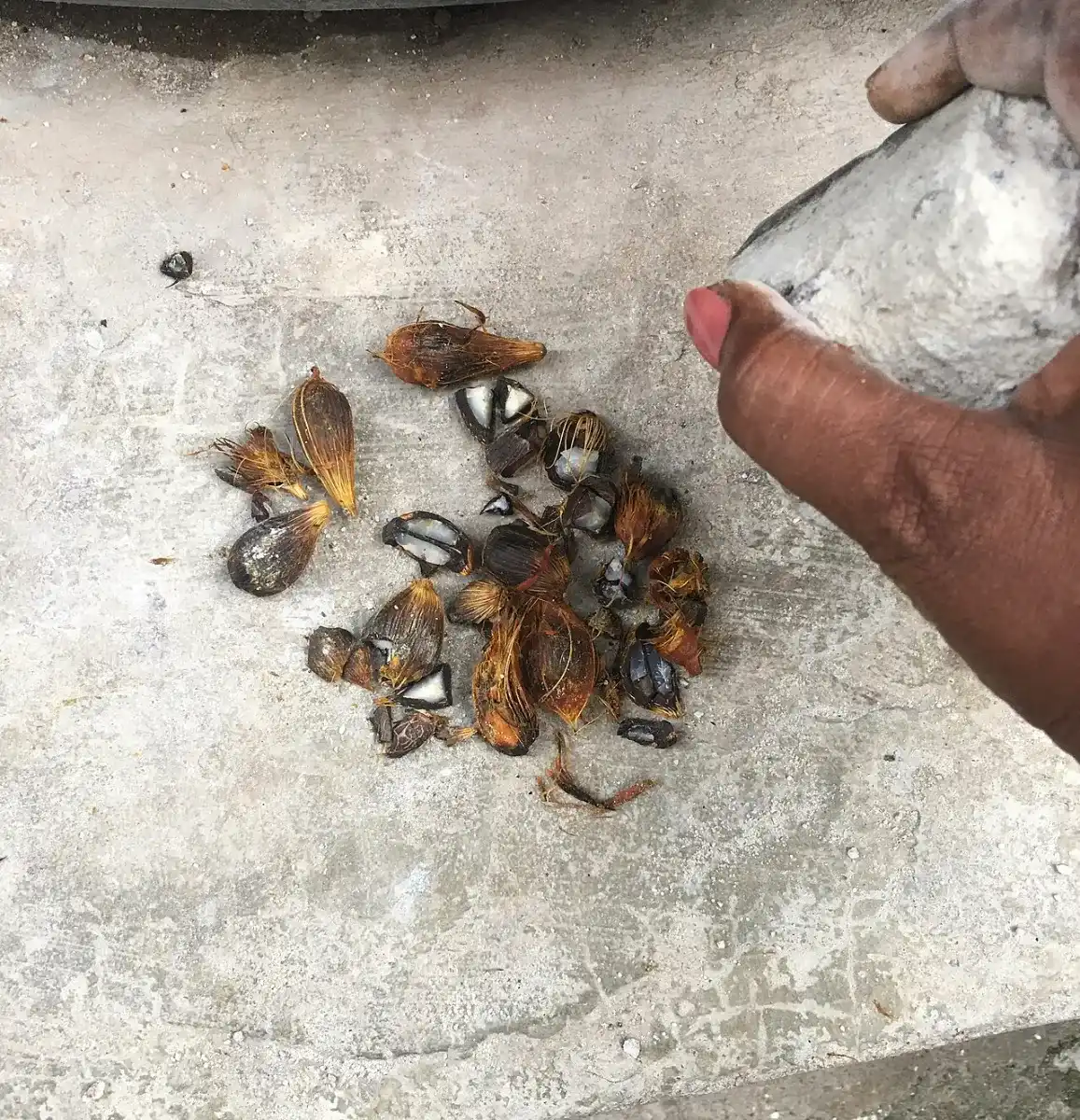

1. Palm kernel oil
Palm kernel oil is very close to coconut oil in make-up, especially in its saturated fats. It blends easily with coconut oil and costs only about 60% as much, so the temptation is obvious.
In North Karnataka, especially around Belagavi, I found that about 90% of what is sold as coconut oil is really palm kernel oil. One trader joked: “Your coconut oil price moves with copra prices. Ours doesn’t — it moves with palm oil prices.” I had to laugh. At the time, this “coconut oil” sold for less than copra, its own raw material. The excuse? Village buyers want cheap hair oil, and it is still a vegetable oil.
2. Paring oil
To make desiccated coconut powder, the brown skin (paring) of the coconut is peeled off. This by-product is rich in oil, but poor oil. It is dried and sold for about 65% of the price of copra. Many millers mix it into copra when they crush. Others extract its oil separately, then refine, bleach and deodorise it to remove the high free fatty acids, dark colour and smell, and either mix it into pure coconut oil or sell it as it is. One large unit does exactly this — kasadinda rasa, as we say in Kannada: turning waste into something tasty. Technically it is still coconut oil, but it is meant for soap-making. The fault lies with the repackers who sell it as edible oil.
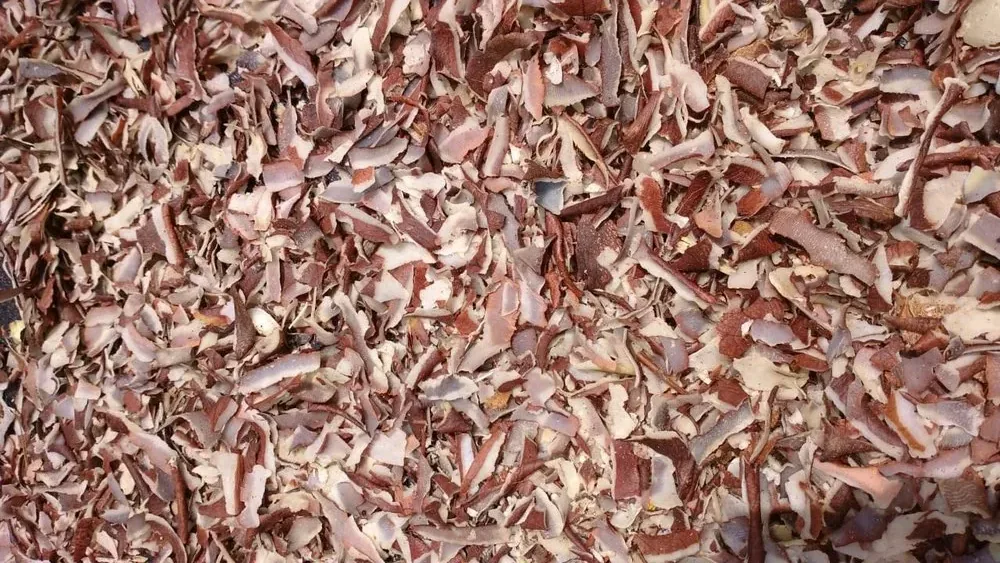
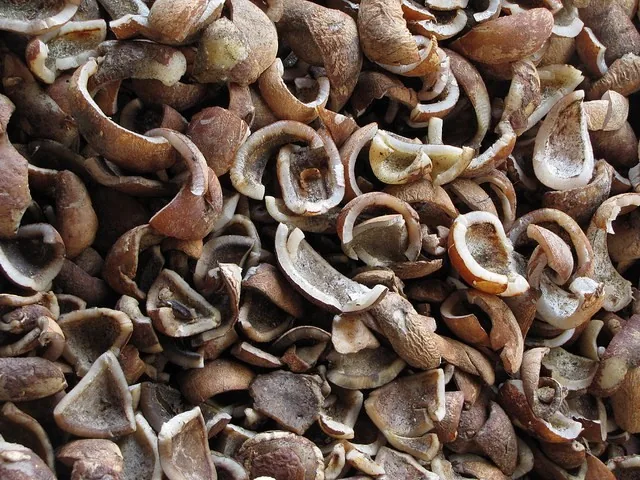
How to detect it: palm kernel oil and paring oil both show up in the iodine value (IV) test, which measures how unsaturated an oil is. Coconut oil is about 92% saturated, so its IV is low, around 8; the permitted range is 7.5 to 10. Paring oil has an IV of about 19 in our own tests, and palm kernel oil about 14 to 21. So coconut oil that tests above 10 is adulterated.
3. Oil from poor copra
Good copra is white and smells fresh; rotten copra is darker, smells sharp, and costs less. Millers often mix the two. The oil looks fine at first but spoils quickly. Copra comes in grades: edible grade fetches the best price and is kept apart, but second-grade copra is often not sorted properly.
How to detect it: test the free fatty acids (FFA), or acid value. The lower the FFA, the better the oil. Good oils have an FFA below 0.7%; the law allows up to 2.0% for edible oil.
4. Refined oil
High FFA can be brought down by refining — neutralising the oil with an alkali. Oil made from low-grade copra, or extracted with solvents from coconut oil cake, is often refined. It passes the food safety tests but has lost its taste, aroma and goodness.


We sell our coconut oil cake to a large extractor in Kerala. When I asked him where his oil goes, he said repackers buy it in large quantities: they blend poor oil with refined oil to bring the FFA down. Refined coconut oil is, oddly, cheaper than filtered coconut oil.
How to detect it: FFA again. Even the best unrefined oil has an FFA of at least 0.1%; refining brings it close to 0. So an FFA that is too low points to refined oil.
| Adulteration | Why it is done | Test that catches it |
|---|---|---|
| Palm kernel oil | Costs about 60% of coconut oil | Iodine value above 10 |
| Paring oil | Cheap by-product, about 65% of copra price | Iodine value above 10 |
| Poor copra | Rotten copra costs less | FFA above 2.0% |
| Refined oil | Hides high FFA; cheaper than filtered oil | FFA below 0.1% |
Why is other oil cheaper?
Until recently, I thought other brands could sell for less because of:
- cheaper copra
- lower manufacturing and overhead costs
- a better oil yield
- buying copra smartly when prices are low
- being content with lower margins
- a long-term plan to build the brand
Now I know the malpractices behind many low prices. I will write about other unfair practices in the industry in a later post.
Looking back in 2026
- Bans continue. Kerala has kept banning adulterated brands. In 2018 alone, it banned 166 brands, many with names starting with “Kera” to look like the state’s own brand.
- More on malpractices. Other malpractices in the industry are explained in our video series on YouTube.