
Since the move to Kallarpe in 2011, Cocoguru has grown from a plot of land into a modern coconut oil company with a premium brand, three oil varieties, a fried-snacks line and customers across coastal Karnataka and beyond. It happened in four stages.
2011 to 2013: Building the factory
From a plot of land to a working plant, team and accounts.
Early 2011 · Land at Kallarpe
Bought 78 cents of land at Kallarpe, Aryapu village, about 6 km from Puttur Bus Stand, by paying a token advance, and had it converted for industrial use.


Early 2011 · Raising finance
Keshava Ram sold a plot in Bengaluru that he had bought during his job. Shivashankar Bhat contributed from his savings. A term loan was raised from Karnataka Bank against the family’s residential property.


Mid 2011 · Building construction
- Obtained an HT power connection and installed a transformer and metering cubicle.
- Levelled the hilly land through earthwork.
- Built concrete flooring and 9-foot brick walls.
- Laid foundations for machines (expellers, boiler, dryer and others).
- Completed a shed with galvalume roofing and side cladding.


Mid 2011 · Plant and machinery
- Visited sites across Kerala and Tamil Nadu to study large-scale roasted coconut oil production.
- Took advice from industry experts and visited vendors in Coimbatore, Tiruppur, Ludhiana, Mumbai, Hyderabad and Bengaluru.
- Bought new machines suited to future growth and set up an integrated oil extraction line.
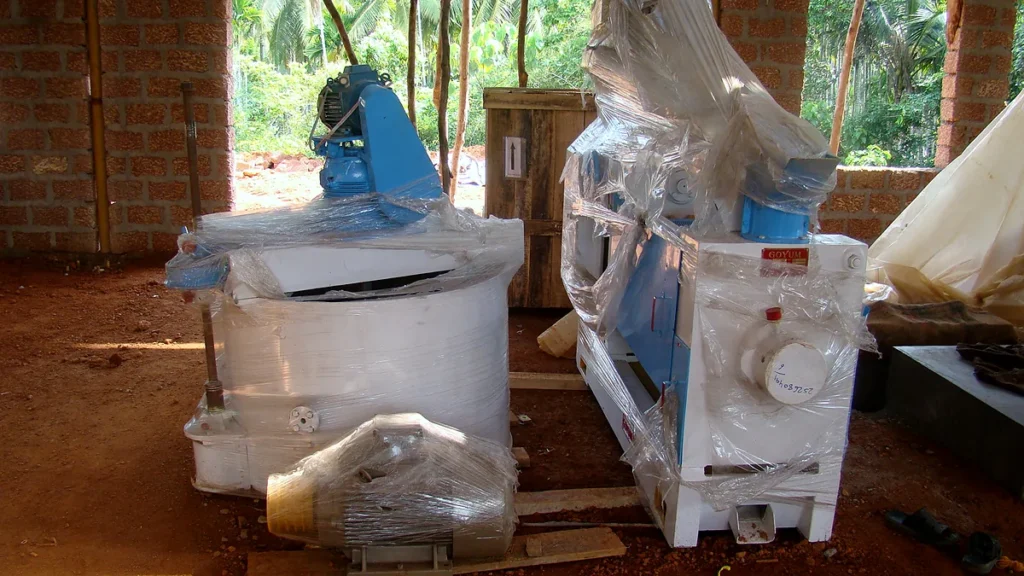

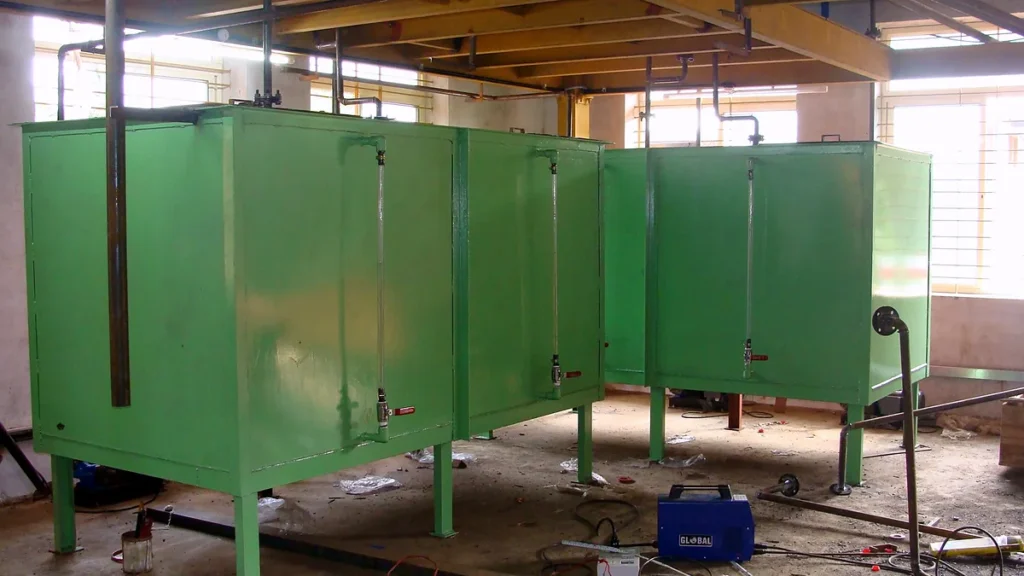

Late 2011 · Trial production
Installed power lines, oil pipelines, conveyors, elevators and steam pipelines, obtained all government licences and permits, and extracted trial batches of coconut oil. The packing machines were moved from the old Parladka unit to Kallarpe.


2012 to 2013 · Team and systems
- Recruited labourers for extraction and packing, and skilled professionals for production, finance and sales.
- Began writing Standard Operating Procedures.
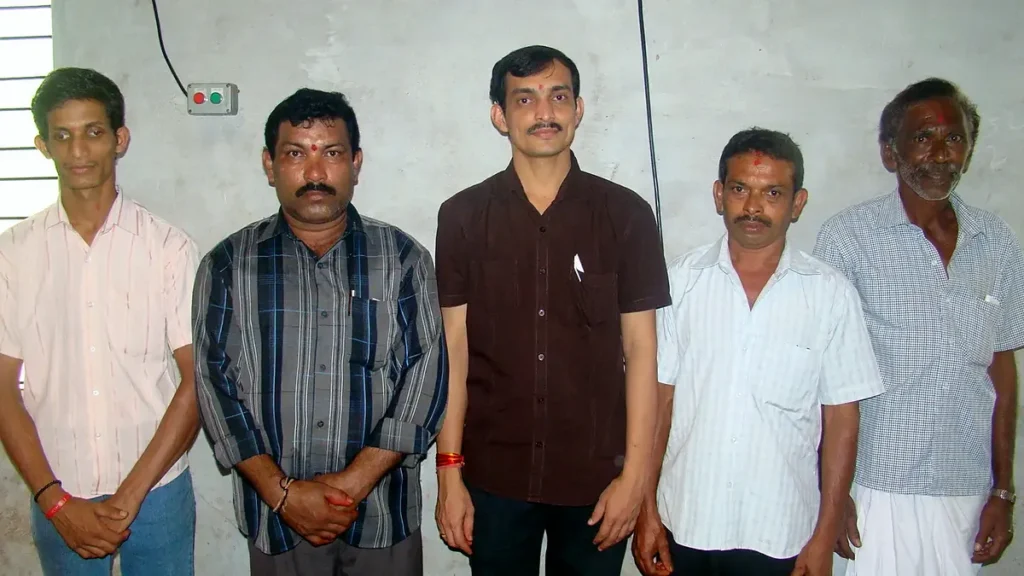
- Set up the accounting system. The early days were chaotic, with no visibility on cash flow. Keshava Ram, with no accounting background, and Shivakumar, the new Finance Manager, struggled at first. With the effort of Suprabha and Shivakumar, the systems were built to match management’s expectations, a process that took two years.

2013 to 2017: Selling and distribution
From vans on the road to a distributor network, and a stronger brand.
2013 to 2014 · Sales expansion
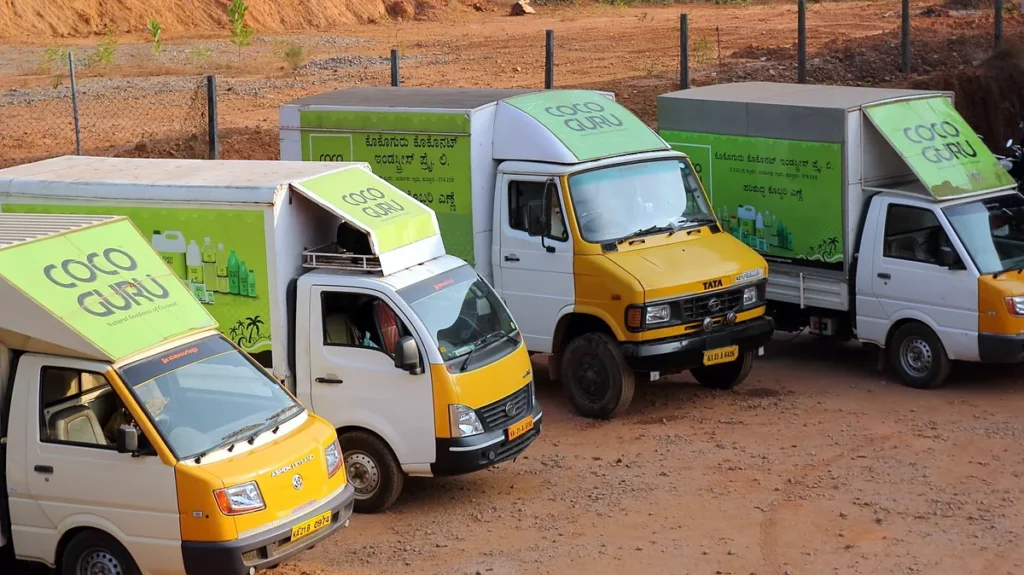
Santhosha built the first retail network in and around Puttur by visiting outlets personally. Prasad Rai, hired for accounts, moved to sales because of his passion and potential. He built a van-sales network and grew the sales team and distribution, covering Dakshina Kannada, Udupi and Kodagu with 5 sales vans.

2014 to 2015 · Copra procurement
Shivashankar Bhat used his experience and contacts to procure copra. Over time the team took over this function to ensure consistent quality and competitive prices.


2015 to 2016 · Brand building
Suprabha took charge of brand development after handing accounting over to Shivakumar. The initiatives:
- Uniforms for all employees
- Hoardings at road junctions
- Retailer signboards
- Promotional merchandise: keychains, wall clocks and yearly calendars
- Corporate and commercial videos, and a brand song
These gave Cocoguru a distinct identity, separate from generic coconut oil brands.


2016 · Quality standardisation
At first the focus was on volume at market-competitive prices. Over time a gradual premiumisation strategy was carried out. It let us buy higher-quality copra and repositioned the brand as a premium coconut oil.

2016 to 2017 · From vans to distributors
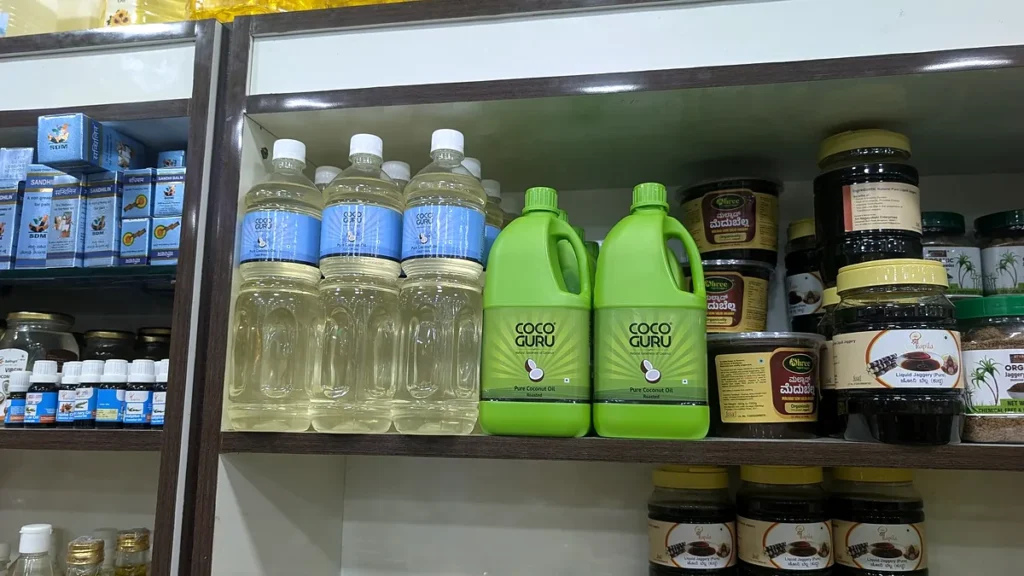
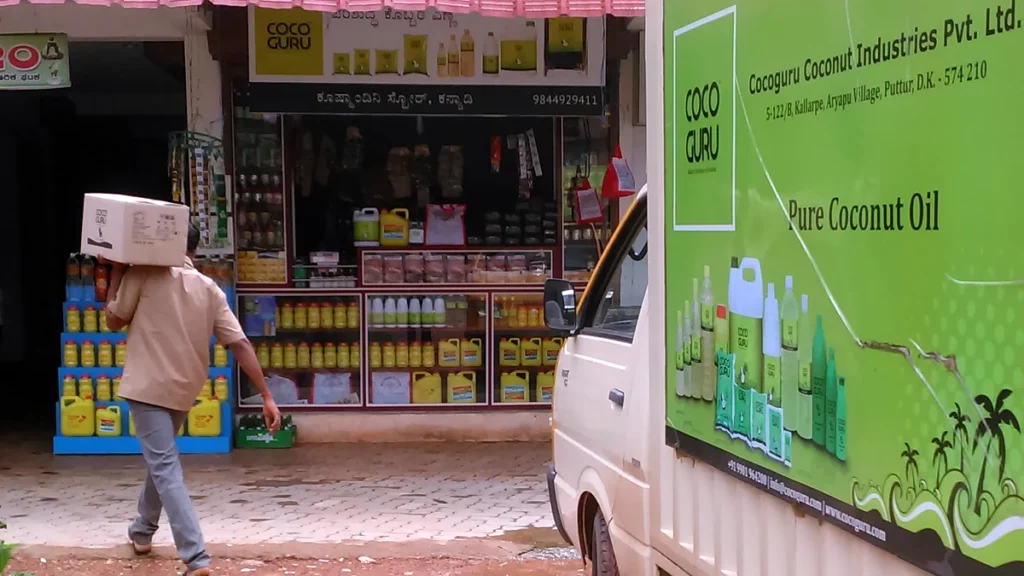
Van sales had limits for scale and carried high overheads. Taking inspiration from larger FMCG brands, we moved to super stockists and distributors, created a compensation system for them and built a network of distribution partners. This cut fixed overheads and freed vans and staff, turning costs into variable, sales-linked ones.

2016 to 2017 · Online on Amazon
A Mangaluru distributor encouraged online sales, so we opened a Cocoguru store on Amazon. Mahesh, originally hired for accounts, became the key person in building the online brand. By 2020 to 2021 Cocoguru was among the Top 10 coconut oil brands on Amazon India, until intense price wars began among competitors.
2016 to 2017 · The green campus
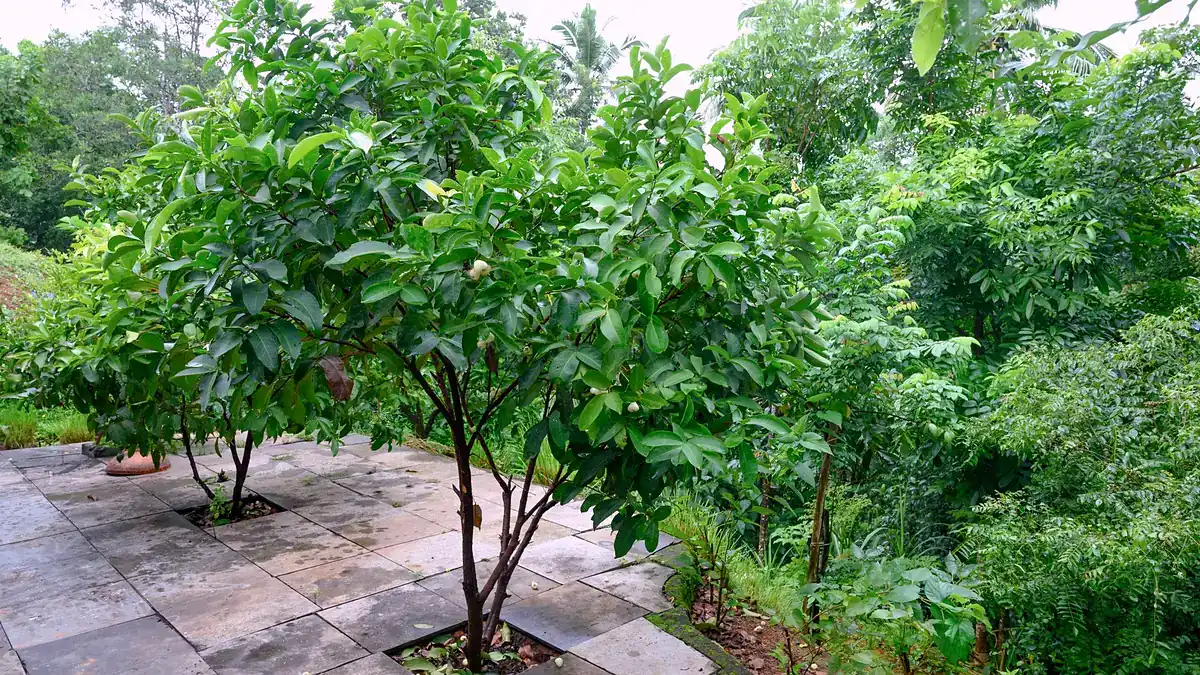
Beyond business, we began a green campus initiative. About 170 trees of fruit, flower, timber and medicinal varieties were planted from government and private nurseries, debris was cleared and interlock flooring laid for smooth vehicle movement. For water conservation we dug an open well, harvested rainwater, filtered and reused water, and built a check dam.


2018 to 2021: New products and a stronger brand
Lite, Cold Pressed, a digital push and Reliance Retail.
2018 · Lite
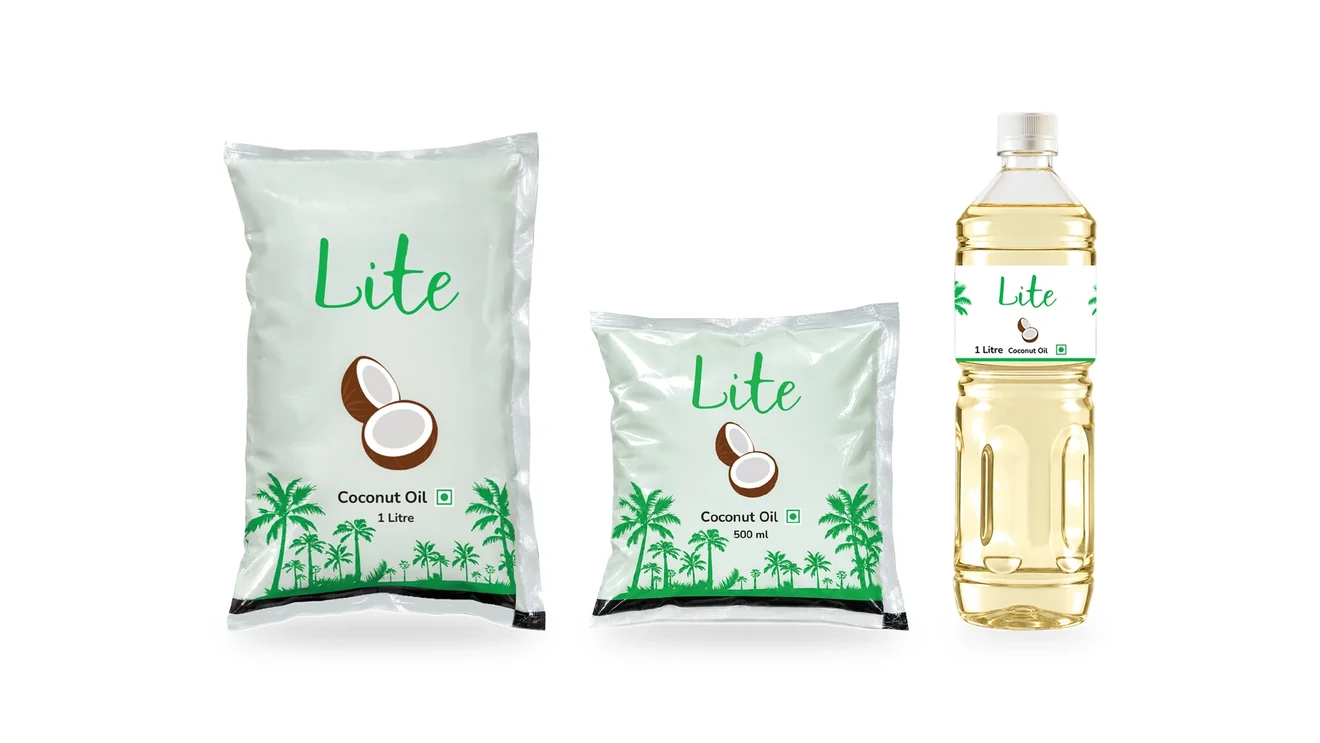
Cocoguru served premium customers, so we introduced Lite, an affordable and pure coconut oil, for markets where Cocoguru’s price does not reach. Lite does not carry the Cocoguru name, which keeps the Cocoguru brand clear and avoids confusion between the two.

2019 · Cold Pressed
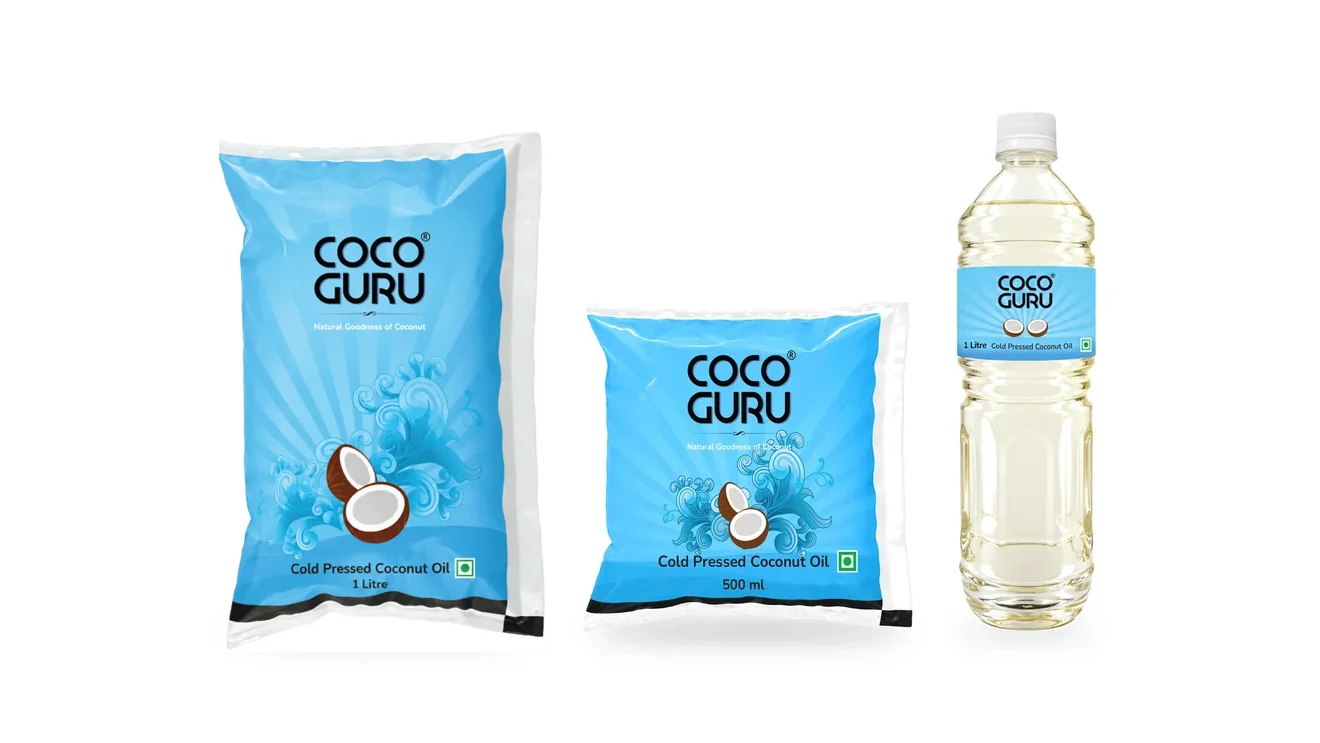
Until then Cocoguru had focused on roasted coconut oil, which was relatively new and took time to be accepted. We launched Cold Pressed, made from high-quality copra, but did not push it. In general trade we kept our focus on Roasted.
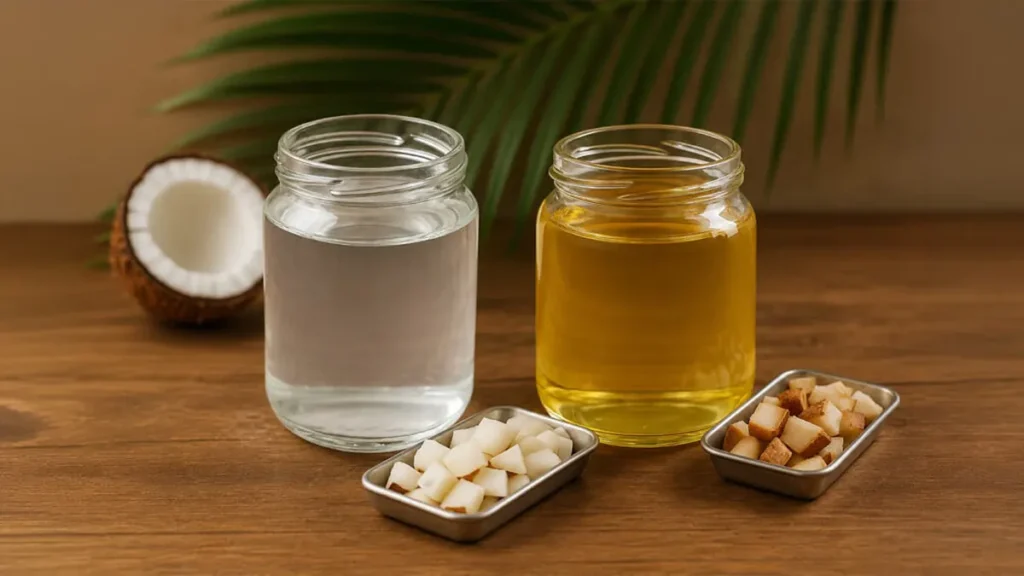
Then we listed on Amazon, and that changed the trend completely. Online consumers asked for Cold Pressed far more than for the Roasted oil we had sold over the years, and urban buyers in general wanted it. In transparent PET bottles, people also liked Cold Pressed for its transparent white appearance over the yellow of Roasted. Cold Pressed became an important product, and scale was set up to make and market it.
2020 · Digital push
The Covid-19 pandemic showed the need for a strong digital presence. We hired Murari, a former computer science teacher, to bring digital capability into the business. Initiatives included a new website with e-commerce, regular image posts on social media, Amazon advertising campaigns and a listing on Flipkart.
2021 · Reliance Retail
Reliance Retail was expanding its SMART Bazaar stores in coastal Karnataka, including one in Puttur. Customers there asked for Cocoguru oil, and our team applied to be a vendor proactively. Reliance was dissatisfied with an existing vendor’s professionalism and onboarded Cocoguru across its stores in coastal Karnataka and Kodagu.


2023 to 2026: New lines and new markets
From a restaurant to fried snacks, Bengaluru, exports and a rebuilt sales force.
2023 · Adigemane restaurant
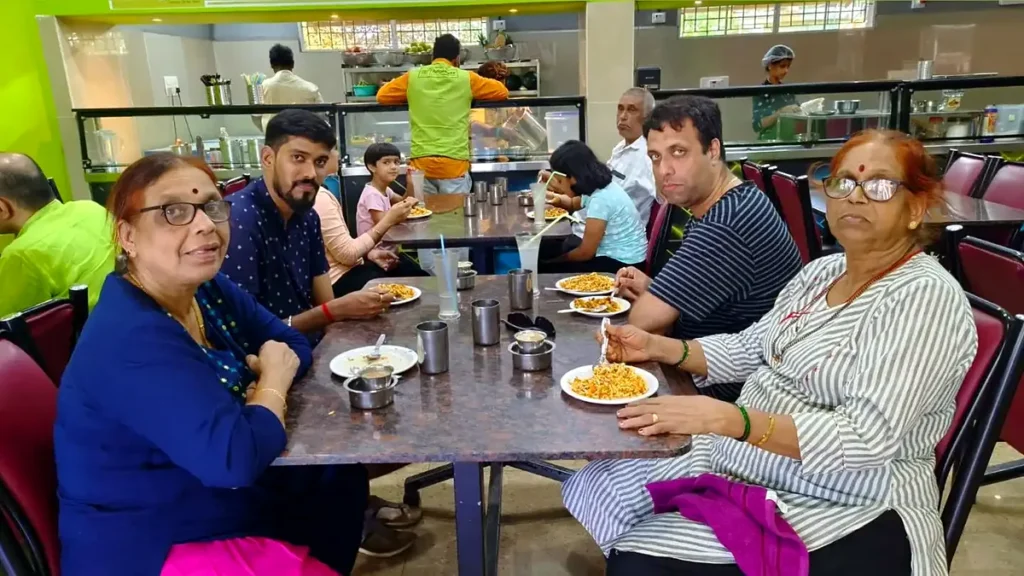
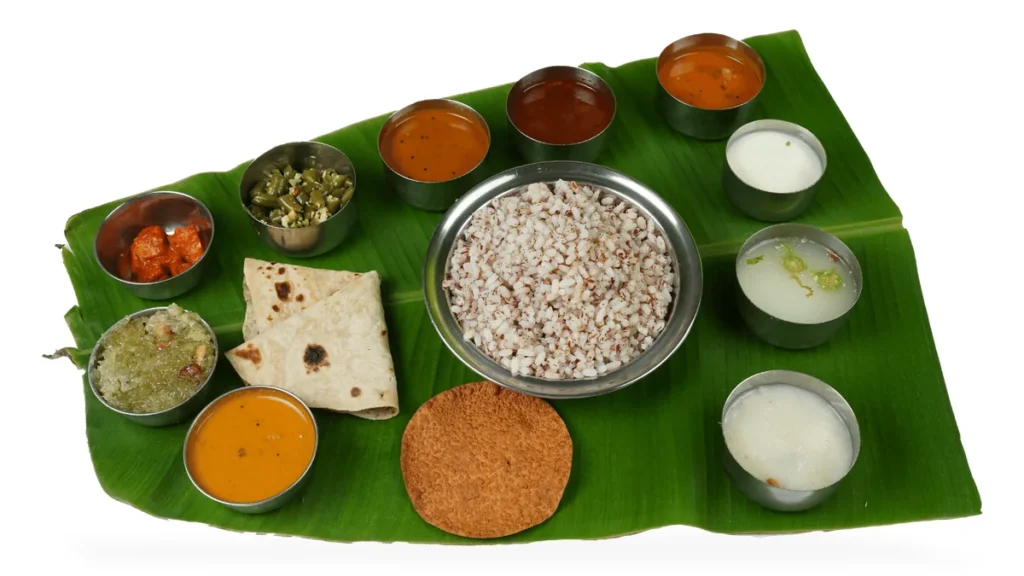
On Makara Sankranthi, 15 January 2023, we opened Cocoguru Adigemane, a traditional Mangalorean vegetarian restaurant at Nehru Nagar on the Puttur–Mangaluru highway. The idea was simple: authentic food, cooked in coconut oil, made fresh and clean, and run with care for the environment.
Our oil business had matured, with its loans almost repaid, quality and distribution in place and online sales doing well. Growing further needed a bigger sales team, which is hard to hire and manage, so a new business was a second route to growth. It also let us show our own oil at work in food, and meet customers directly instead of only through retailers.
After two years of effort, the restaurant closed on 27 January 2025. The building had not been designed as a restaurant, the menu grew far beyond the short one we began with, tracking waste was hard, and a larger restaurant opened nearby. Doing things by the book, with proper wages, taxes and food-grade packing, also made us look dearer than others.
The lessons were worth the effort: start small, keep the menu short, hire capable managers before hiring large numbers of workers, and keep one vision. Food posts drew far more attention on social media than coconut oil ever had, and tourists who ate with us became repeat oil customers. Best of all, the idea of packed fried snacks was born here.


2024 · Fried snacks
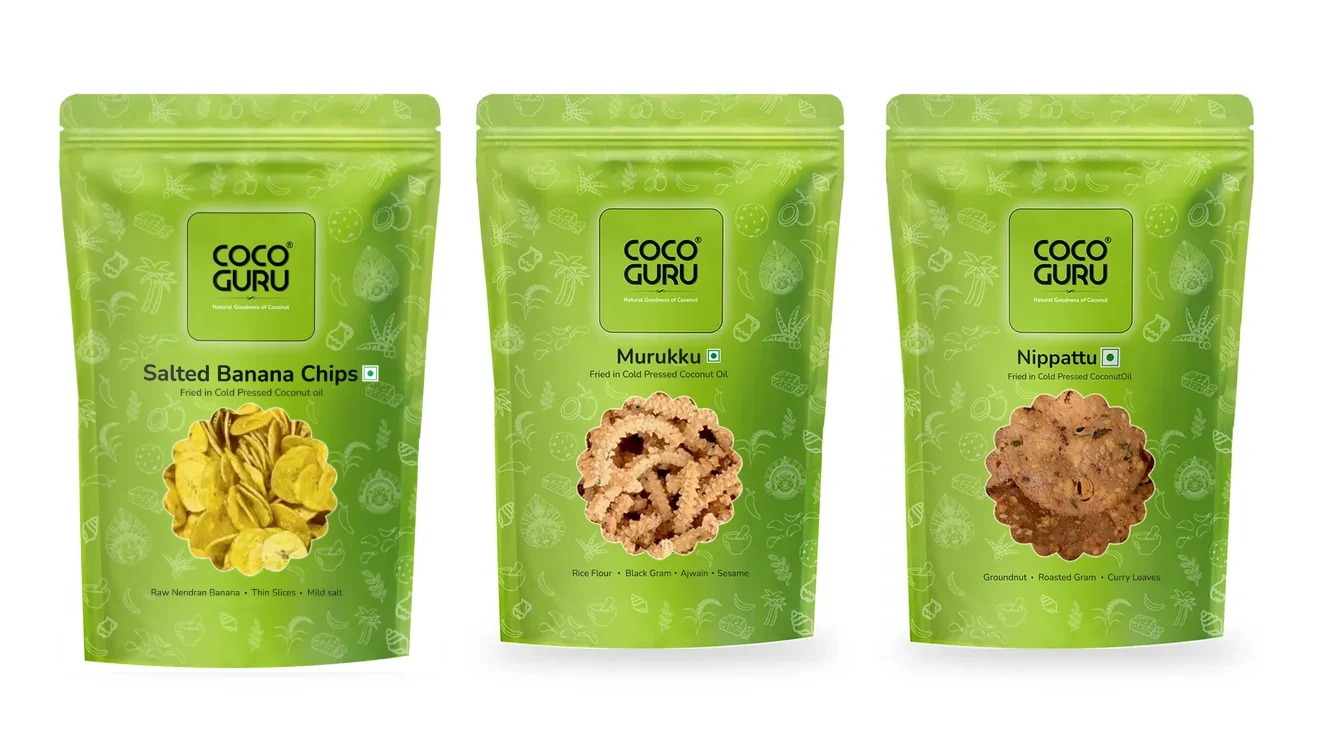
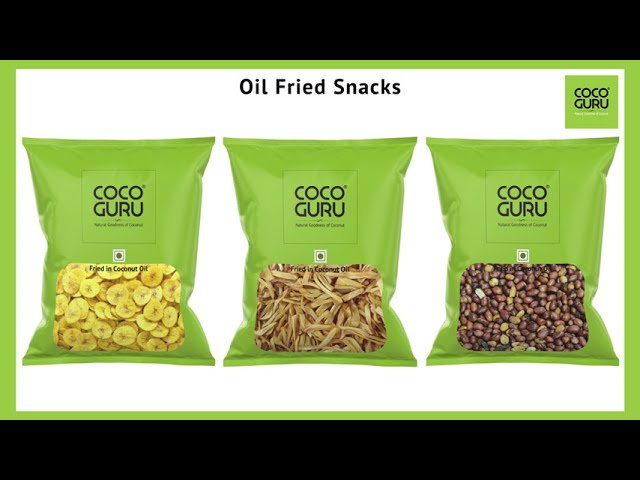
While the restaurant ran, customers asked for take-home snacks with a longer shelf life. We began making chips and savouries on site, packing them and selling them at the counter. The demand grew into a dedicated line of packaged fried snacks made with pure Cocoguru coconut oil, now available at premium outlets that also stock our oils.
All our savouries are fried in Cold Pressed coconut oil and packed in nitrogen-filled zip-lock pouches, with a shelf life of 60 days. We have added traditional sweets to the range too. Amritha Phala, made with coconut milk and cow’s milk, is the best seller and is unique to Cocoguru.
2025 · Entering Bengaluru
An early attempt to enter Bengaluru in 2020 did not succeed, mainly because of an underperforming sales hire. In 2024, while recruiting a Sales Manager for Mangaluru, we found a high-potential candidate for Bengaluru, which brought fresh focus to the market. As of 2025 Cocoguru coconut oil is available at almost all Mangaluru stores and at all Gramarajya outlets, franchises and dealers.


2025 · A big step up for Cold Pressed
We improved Cold Pressed quality sharply by bringing free fatty acid (FFA), a measure of oil freshness, down from 0.5% to 0.15%. We also stopped the second crushing for Cold Pressed: crushing only once keeps the heat low and gives Cold Pressed oil its white colour.
2026 · Rebuilding for the next phase
2026 has been about building a stronger foundation. We rebuilt the sales force into a 25-member team of area sales managers and team leaders, with careful hiring, training and a reset of the sales force automation system. An MIS team now manages the data that guides their work.
The distribution network is being rebuilt to cover Uttara Kannada, Shivamogga and Mysuru as well as the regions we already serve. We deepened our relationship with Reliance Retail so that Cocoguru is always available, in fresh stock, across 19 stores in Uttara Kannada, Udupi, Dakshina Kannada and Kodagu. We also began exporting, with three consignments so far to South American countries.
A new social media and digital marketing team now publishes high-quality content, and we gave the brand a small refresh: the logo moved from square to rounded corners and the font from PT Sans to Nunito. Behind the scenes we implemented the Odoo ERP and began using AI in search, legal compliance, spreadsheets, data corrections, sorting, decision-making and content creation, as well as in building this website.

